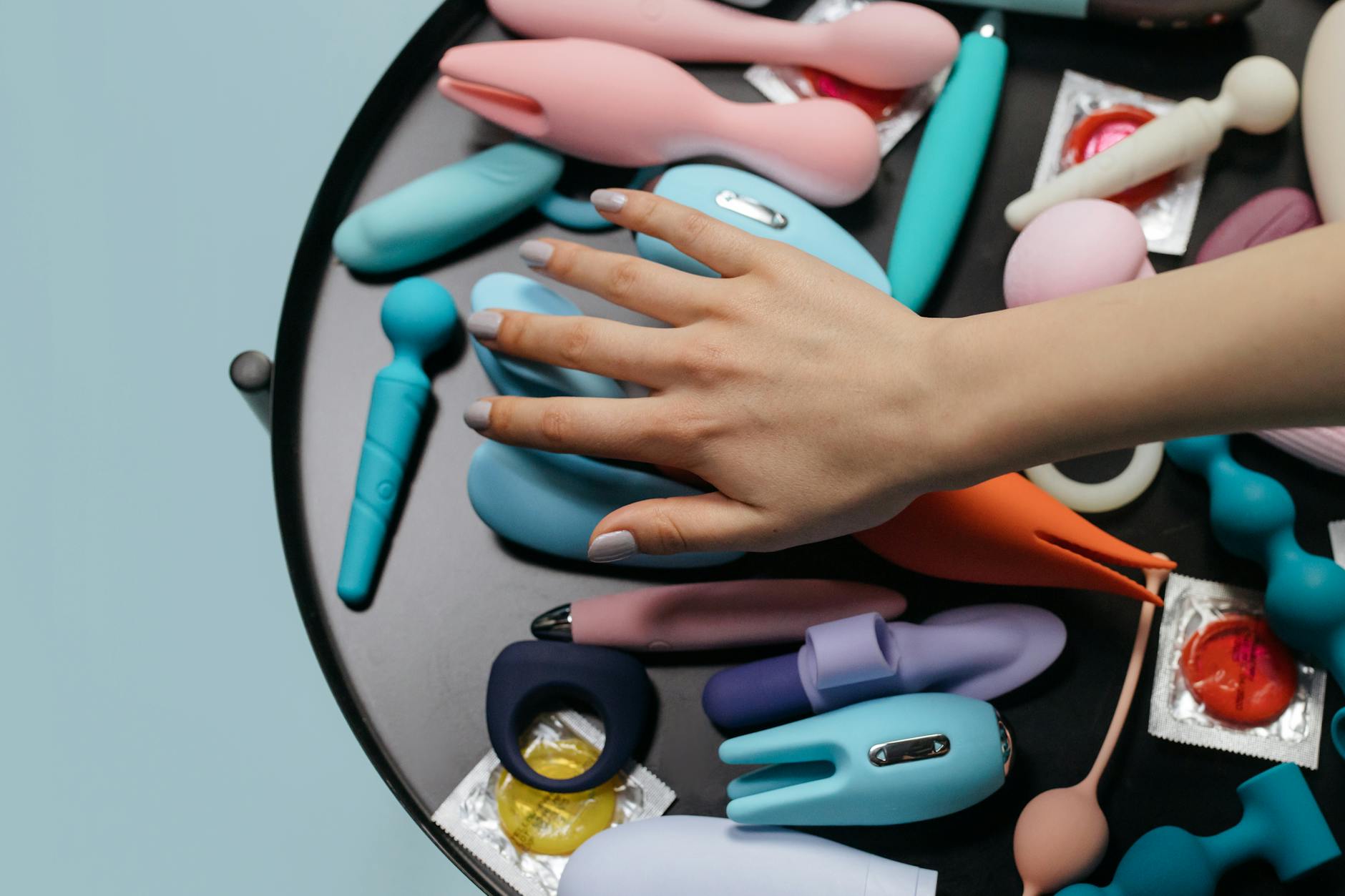
Your body changes. That's not news. But here's what actually matters: the lemon vibrator that worked perfectly at 35 might feel completely different at 45, not because you're broken, but because your tissue, blood flow, and nerve sensitivity have shifted in ways that make suction-based stimulation feel entirely new again.
I work with couples navigating pleasure after 40, and this is the conversation that comes up constantly. Someone pulls out their trusted clitoral vibrator, and it feels off. Too intense, or weirdly numb, or like it's hitting a different nerve altogether. The instinct is always to assume desire is fading. It rarely is. What's actually happening is more interesting.
Your nervous system is evolving, and lemon vibrators specifically respond to that evolution in ways traditional vibrators don't. Let me walk you through what's real, what's myth, and what actually helps.
Here's the physiological part that nobody explains well enough. Between 40 and 50, estrogen production gradually declines. This affects the thickness and elasticity of vulvar tissue, the clitoral glans, and the labia. Thinner, less elastic tissue is more sensitive in some ways and less resilient in others.
This is important because lemon clitoral vibrators work through suction and gentle pulsing, not direct vibration. That means they're actually more forgiving on thinner tissue than traditional vibrators, which rely on friction. If you found that standard vibrators started feeling abrasive in your 40s, a lemon vibrator often feels like someone finally understood what your body needs.
The catch: you need less of everything. Less intensity to start, less time at higher patterns, and more lubrication. Your body isn't losing capacity. It's gaining specificity.
Blood flow patterns change. In your 30s, arousal can happen fast. Clitoral engorgement is quick, response is immediate. After 40, your parasympathetic nervous system becomes more dominant, which means arousal takes longer to build but often goes deeper when it arrives.
This is actually where lemon sexual toys shine. The suction mechanism mimics natural engorgement more closely than vibration does. Because it's creating a gentle vacuum rather than buzzing at your tissue, your body can work with the stimulation more naturally. Many people report that the lemon vibrator feels like it's inviting sensation rather than forcing it, which gives your nervous system the slower ramp-up it actually prefers now.
The practical shift: expect to spend 15 to 20 minutes on warm-up instead of five. This isn't a loss. It's a recalibration that often leads to longer, more sustained pleasure.
Here's something most articles skip. Your clitoral nerve density doesn't decrease with age. What changes is how your nervous system processes sensation and which frequencies trigger response most effectively.
After 40, many people find their orgasms feel different. Sometimes concentrated in a smaller area instead of radiating. Sometimes slower to build but more intense when they arrive. Sometimes they feel more internal, less explosive. Lemon clitoral vibrators can actually enhance this shift because the suction mechanism targets the clitoral bulbs and the entire erectile network, not just the surface glans. This means you might discover that the orgasms you get after 40 with a lemon sucker feel more integrated and full-body than what you were experiencing before.
This matters more than people admit. In your 30s, self-lubrication might have been abundant and fast. After 40, you might need external lubrication even when you're fully aroused. This isn't a sign of dysfunction. Your body's moisture balance shifts, and that's completely normal.
For lemon vibrators specifically, water-based lubricant becomes essential. It extends battery life, improves the seal that creates suction, and makes the sensation feel smoother and more sustainable. I recommend keeping a small bottle nearby and reapplying every 5 to 10 minutes if you're going longer than 15 minutes. It changes the whole experience.
Many of my clients find that adding lubrication feels like unlocking a setting they didn't know existed. Suddenly the sensation becomes more fluid, less mechanically intense, and more pleasurable. This is usually a game-changer for people in their 40s and 50s who felt like intensity had become their only option.
This is the part nobody talks about because it's intimate and complicated. After 40, your relationship to your own pleasure often changes, especially in partnered contexts. You might have less interest in performing for someone else's timeline. You might want more control over intensity and pace. You might be renegotiating what pleasure even means to you.
Lemon clitoral vibrators are actually ideal for this renegotiation because they're discreet, you can control them entirely, and they work well solo or partnered. I've had countless conversations with people who brought a lemon vibrator into their partnered sex and realized, for the first time, what their actual preferences were outside of what they thought they should want.
If you're in a long-term partnership, having your own tools means you're not relying on your partner to deliver sensation at the frequency and intensity that works for you now. That's not selfish. That's clarity.
Before you assume something has gone wrong, try these adjustments:
Start at pattern one or two on your lemon vibrator, not three or four. Your tissue needs gentler entry even if you're someone who loved high intensity before. Work up slowly over five minutes.
Increase warm-up time. Fifteen minutes of foreplay or solo touch before the vibrator arrives means your nervous system is actually ready for stimulation. This changes everything.
Use water-based lubricant generously. Not because you're broken, but because it's the right fuel for how your tissue responds now.
Pay attention to what time of day works. Some people find that arousal is easier in the morning or early evening. Hormonal fluctuations are still real after 40, and working with your cycle instead of against it saves a lot of frustration.
Experiment with angle. The clitoral anatomy shifts slightly after 40 in terms of skin elasticity and positioning. An angle that felt perfect at 35 might need adjustment. The beauty of lemon vibrators is that they're small enough to try different approaches without fatigue.
I see a lot of people in their 40s and 50s grieving what they think they've lost. Energy, urgency, that specific kind of fast arousal. What they don't realize is that they're often gaining something more interesting. Permission to want what they actually want. Clarity about their own pleasure instead of a checklist of what sex is supposed to look like.
This is where the mental shift catches up with the physical shift. Once you accept that your body is different and start experimenting with what that means, pleasure often becomes more accessible, not less. The lemon vibrators and other clitoral vibrators that fill the Hello Nancy collection are tools for that exploration, but the real work is releasing the idea that your 40s and 50s should feel like your 30s.
They shouldn't. They should feel like you finally understand your own body.
If sensation has disappeared entirely and isn't returning with any of these adjustments, talk to a gynecologist or menopause specialist. Genitourinary syndrome is treatable. If pain appears during arousal, don't assume it's permanent. If you're on blood pressure medication or antidepressants that affect arousal, there are often alternatives worth discussing.
But most of the time? Most of the time, what's happening is simply that your body is asking for something different. Lemon vibrators, with their unique suction mechanism, often answer that request in a way that feels natural and restorative.
Your pleasure isn't ending in your 40s. It's relocating to somewhere deeper, slower, and arguably more satisfying than it's ever been.
Sensation doesn't usually dull. What changes is the type of stimulation that creates response. If traditional vibrators felt less effective after 40, lemon clitoral vibrators often work better because they target sensation differently. The suction mechanism can reach nerve clusters that benefit from gentler, more sustained pressure rather than pure vibration. Most people find the sensation actually sharpens with the right tool.
Start lower. Even if you loved high intensity before, tissue changes mean you need a recalibration period. Begin at pattern one and work up over several sessions. You might find that you land in the same place eventually, or you might discover that medium intensity now feels perfect where it seemed boring before. The point is giving your tissue a chance to adjust.
For the first 30 seconds, maybe. Then it usually feels dramatically better. The lubrication creates a seal that makes suction more effective and sensation more fluid. If you've been going without because you're embarrassed or because you think it means something is wrong, let that go. In your 40s and 50s, adding lubrication is just good mechanics.
Frequency sometimes shifts, but capacity doesn't. Some people in their 40s and 50s need more warm-up or a different mindset to arrive at orgasm, but once they do, the sensation is often more intense. If frequency has dropped significantly and nothing is working, talk to a doctor. But if you're experiencing different timing or a longer build, that's almost always just adaptation, not decline.
Usually not. What you need to replace is your expectations about how to use it. Same device, different approach. Slower warm-up, lower intensity to start, more lubrication, different timing of day, partnered versus solo. Most people find that their existing lemon clitoral vibrator becomes a better tool once they adjust the technique.
Yes. If you're on hormone replacement therapy, estrogen therapy, or testosterone therapy, sensation can shift back toward what it was before decline, or it can shift into something entirely new. Any hormone changes are worth noting, because they affect how stimulation lands. If you start HRT, give yourself 4 to 6 weeks to reacclimatize to sensation before deciding if a tool still works for you.
Your body isn't declining. It's differentiating. The lemon vibrators that are designed for nuance and gentleness become your actual preference, not your backup plan. Your nervous system, slowed down by age and hormonal shifts, becomes capable of deeper presence. Your willingness to prioritize your own pleasure over a performance of sexuality often reaches a peak.
This is the best kept secret about sex after 40. It gets better, weirder, more specific to you, and far more reliable. That requires adapting technique and releasing old ideas about what pleasure should look like. But the trade-off is almost always worth it.
If you're navigating this shift and want to talk through what's working and what isn't, we're here. Reach out anytime.