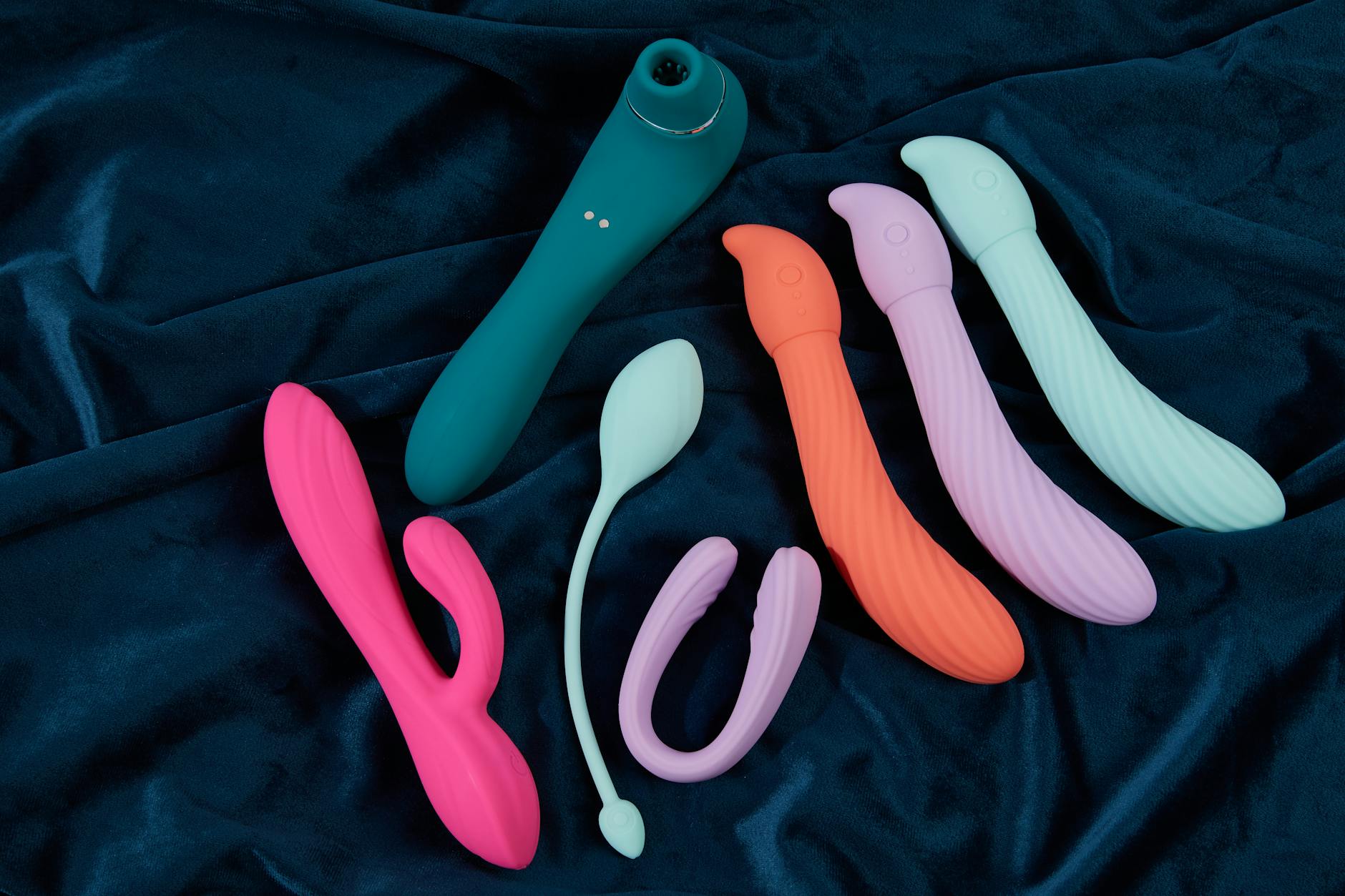
Let's talk about the part nobody brings up
You just pushed a human out of your body. Or maybe you had surgery to get them out. Either way, your pelvic floor has been fundamentally altered. So when can you actually use lemon clitoral vibrators again? The answer isn't in your discharge papers, and your OB probably didn't mention it. Here's what you actually need to know.
Postpartum healing is measured in months, not weeks. The muscles, ligaments, and tissue that stretched to make room for birth need time to find their baseline again. Some people feel ready for sexual pleasure at six weeks. Others need three months, six months, or longer. Neither timeline is wrong. Both are completely normal.
Lemon vibrators specifically are gentler on healing tissue than traditional vibrators because suction stimulation doesn't require the same internal pressure or friction. But "gentler" doesn't mean "immediately safe." There's a critical window where your body is literally still mending, and introducing any stimulation can do more harm than healing.
When the timeline actually starts
Your healthcare provider probably gave you a standard six-week clearance. That's the moment your cervix closes and active bleeding stops. It's not permission to do anything yet. It's just confirmation that you're no longer actively hemorrhaging.
Real postpartum recovery follows a different calendar. Internally, it takes about six weeks for the uterus to shrink back to pre-pregnancy size. But your pelvic floor muscles, the vaginal tissue, and any scar tissue from tearing or episiotomy take much longer. Between six and twelve weeks is when many people feel ready to explore touch again. But "ready" doesn't mean diving straight into a clitoral vibrator.
If you had a vaginal tear or episiotomy during delivery, wait at least eight to twelve weeks before using any internal vibrator. If you had a cesarean delivery, your timeline is different. The abdominal incision heals faster on the surface, but the deeper layers take months. Avoid putting pressure on your abdomen or using anything that might increase intra-abdominal pressure until your surgeon gives the all-clear, usually around six to eight weeks.
The pelvic floor check you actually need
Here's what most postpartum guides skip: your pelvic floor muscles need to be able to contract and release. If you're doing Kegels immediately after birth, you might actually be making things worse by creating tension in muscles that are already swollen and inflamed.
Before you use any lemon adult toy, try this basic test. Can you pause your urine stream without pain? Can you relax your pelvic floor completely (not just stop squeezing, but actively release)? If either feels impossible or painful, your pelvic floor isn't ready.
If you're unsure, ask your healthcare provider to refer you to a pelvic floor physical therapist. They can assess whether your muscles are healing well and whether stimulation is safe right now. This is especially important if you experienced severe tearing, retained stitches, or ongoing pain.
Starting with lemon clitoral vibrators safely
When your pelvic floor therapist or OB gives you the green light, here's how to actually use lemon vibrators postpartum.
First, use lubrication generously. Postpartum bodies often have lower estrogen, especially if you're breastfeeding. This means tissue is thinner and less naturally lubricated. Water-based lube is your friend. Silicone lube lasts longer and feels richer, but it can damage silicone toys, so stick with water-based.
Start external only. Don't insert anything. The beauty of clitoral vibrators like Hello Nancy's lemon-shaped designs is that they're built for external suction stimulation. You don't need to go internal to experience pleasure. In fact, staying external when you're early in postpartum recovery keeps pressure off your healing pelvic floor.
Use the lowest intensity setting. If your lemon vibrator has adjustable patterns, start at pattern one. Build slowly. Your nerve endings are still registering the world after significant trauma. Intense stimulation can feel overwhelming or even painful when you're newly healed.
Keep sessions short. Fifteen to twenty minutes is plenty. You're not trying to have an intense orgasm right now. You're reacquainting yourself with sensation in a body that's changed.
Watch for pain or unusual discharge. A little increase in lubrication during arousal is normal. Heavy bleeding, sharp pain, or spotting that doesn't resolve within an hour means you've done too much too soon. Stop and give yourself another week or two before trying again.
The mental part that changes everything
Your body didn't just recover from birth. It's also adjusting to hormonal shifts. If you're breastfeeding, your prolactin levels are high, which naturally suppresses estrogen. This can make arousal harder to find and orgasm harder to reach. It's not that your capacity for pleasure is gone. It's that your neurochemistry is temporarily in survival mode.
This is also the moment when many people struggle with the mental weight of postpartum depression or anxiety. If you're experiencing persistent low mood, intrusive thoughts, or numbness, pleasure isn't the priority. Your mental health is. Talk to your healthcare provider before trying to rekindle physical intimacy.
If you're healing well mentally and physically, one of the best things you can do is take time alone. Not for performance. Not for a partner. For yourself. Fifteen minutes with a lemon vibrator on a low setting, exploring what your body responds to now, can be profoundly grounding. Your pleasure is an act of self-care, not an obligation.
What changes about pleasure postpartum
Orgasms might feel different. They might be less intense, more localized, or take longer to build. This is normal and often temporary. As your hormones stabilize and your pelvic floor regains strength, sensation usually returns to something closer to baseline.
Some people report that orgasms feel stronger after childbirth because the pelvic floor has been stretched and is relearning how to contract. This can mean more intense sensation when you do climax. Lemon vibrators work particularly well here because suction stimulation engages the clitoral bulbs and vestibular tissue without requiring deep penetration or friction your healing body might not be ready for.
Desire often returns slowly. If your partner is expecting you to want sex again at six weeks postpartum, that expectation is misaligned with reality. You're sleep-deprived, you might be touching a baby constantly, and your hormones are in flux. Most people report that desire returns gradually over three to six months. Some people find that using a lemon vibrator on their own is how they reconnect with desire, away from the pressure of partnered sex.
When to seek help
If you're past twelve weeks and using any lemon sexual toy causes pain, sharp sensations, or heavy bleeding, stop and see your healthcare provider. Pain during postpartum recovery is often fixable, but only if you get it assessed. Pelvic floor dysfunction, unresolved tearing, or scar tissue can all be treated.
If you want to use lemon vibrators but feel completely numb to sensation, that's also worth discussing with your provider or a therapist. Postpartum depression and anxiety can numb sensation. Certain medications can too. The solution might not be "use more stimulation." It might be addressing what's underneath the numbness.
The timeline that actually works
Six weeks: physical clearance, not functional readiness. Eight to twelve weeks: pelvic floor check with a therapist if you want expert guidance. Twelve to sixteen weeks: most people can try external clitoral vibrator use if everything else is healing well. Six months and beyond: full range of sexual activity is usually comfortable, though everyone is different.
Your postpartum body isn't broken. It's transforming. Lemon vibrators can be part of that transformation. But only if you let yourself heal first.