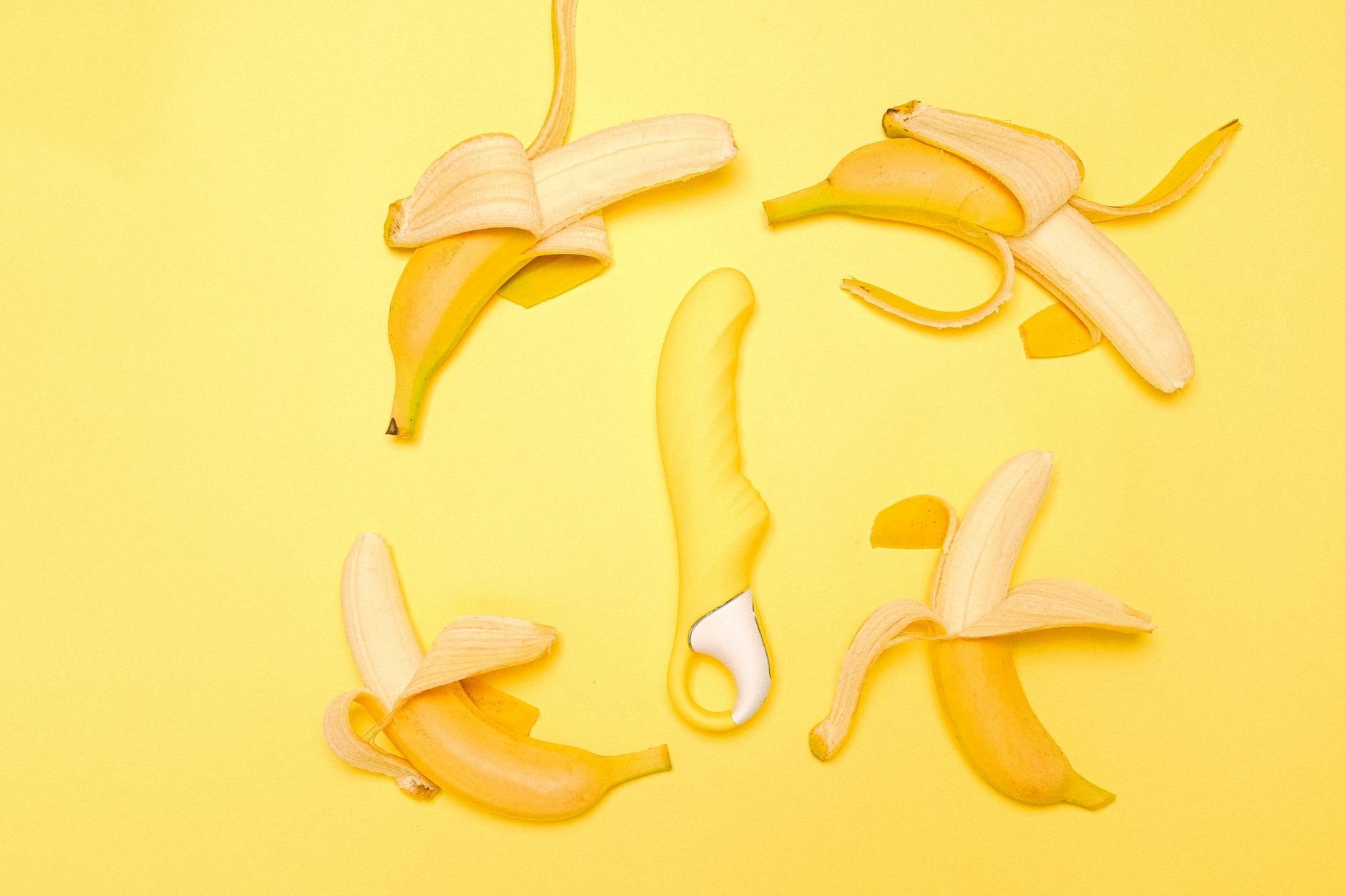
Can you use lemon vibrators while pregnant? The straight answer
Yes, for most people, most of the time. But pregnancy isn't one experience—it's three very different trimesters with shifting needs, risks, and what feels good. The nuance matters because getting this wrong can mean missing out on pleasure when you actually need it, or worse, creating unnecessary anxiety about something that's fine.
Here's what I tell couples in my therapy practice: pregnancy is when sex and intimacy matter most, and also when they feel most complicated. Lemon vibrators and other clitoral vibrators can be part of keeping that connection alive—if you understand the actual medical guidelines instead of relying on what your aunt told you at Thanksgiving.
First trimester: when anxiety runs highest (but risk is lowest)
The first twelve weeks are when most people panic about vibrators, and paradoxically, they're the safest time to use them. Your baby is completely protected by the amniotic sac and cervix. A lemon clitoral vibrator cannot reach your uterus. It cannot dislodge anything.
What actually matters in the first trimester is not the vibrator itself—it's your comfort level. Nausea, fatigue, and breast tenderness can make any stimulation feel overwhelming. Some people want to use their Lem more than ever because it's the only thing that feels good when everything else is uncomfortable. Others want nothing to do with it. Both are completely normal.
One thing to watch: if you had bleeding or spotting in early pregnancy, check with your doctor before using any vibrator. It's likely nothing, but your OB will know your specific situation better than I will. For most low-risk pregnancies, though, first trimester is open season.
Second trimester: the sweet spot (if you're lucky)
Weeks 13 to 27 are often when pregnancy sex gets easier. Nausea lifts, energy returns, and you're not yet at the size and fatigue threshold of the third trimester. Many people report that sensation feels different—heightened—during the second trimester, and lemon vibrators can actually be perfect for this.
Your body is producing more blood flow to your pelvic region. Your tissues are fuller, more sensitive. Some people find that they reach orgasm faster or more intensely. If that's you, great. You're not broken; you're experiencing a temporary neurological shift.
Two practical things: First, your center of gravity is changing. You might find that you need different positioning than you did pre-pregnancy. A clitoral vibrator you can use hands-free or while lying down might feel better than one that requires you to balance. Second, if you're experiencing any uterine cramping or spotting, ease off. Cramping can be normal during pregnancy, but it can also signal something that needs attention. Talk to your doctor.
Third trimester: comfort trumps everything
By week 28 onward, you're not an incubator anymore—you're a person trying to find a comfortable position to exist in while also carrying an extra 20 to 40 pounds. Lemon vibrators are still safe. Your risk of preterm labor from orgasm is genuinely minimal in a healthy pregnancy. But logistics matter.
Your belly is in the way. Your back hurts. You're exhausted. The things that felt incredible in the second trimester might feel uncomfortable now. This is the point where switching to positions that don't put pressure on your abdomen makes sense. A hand-held clitoral vibrator like the Lem is actually easier to control than partnered sex when you're this pregnant.
One thing I hear from couples frequently: the partner feels resentful about not having penetrative sex. Here's where I gently interrupt. Pregnancy sex isn't about penetration. It's about connection. Helping your partner use a lemon vibrator, focusing entirely on her pleasure, is more intimate than a lot of the sex people have when they're not pregnant. If you're in a relationship, this is your chance to lean into non-penetrative intimacy in a way you might not have before.
If you're spotting in the third trimester or have been told you have placenta previa or low-lying placenta, absolutely ask your doctor before using vibrators. Cervical irritation matters more at this stage.
The physical things that actually change
Your cervix softens and moves higher as pregnancy progresses. This is why some positions that felt fine at month two feel uncomfortable at month seven. Your vaginal pH shifts, which can make you more prone to yeast infections. A vibrator that's been washed properly isn't going to cause an infection, but if you're already dealing with one, it might feel intensely uncomfortable to use.
Your pelvic floor is already stretched and doing extra work to support your growing uterus. Some people find that using vibrators feels incredibly good because the stimulation is localized to the clitoral area and doesn't put pressure on the pelvic floor muscles the way penetration does. Others find that any stimulation feels like too much. Listen to your body. Your body in pregnancy is not the same as your body at any other time, and that's okay.
Swelling is real. If you're experiencing vulval swelling, which many people do in pregnancy, you might find that your usual lemon vibrator feels different—maybe too intense, maybe not in the right spot. It's not the toy; it's the temporary anatomy shift. This usually resolves after delivery.
When to absolutely check with your OB
Here's the truth that relieves so much unnecessary anxiety: if your doctor hasn't told you to avoid sex, vibrators are fine. But a few situations warrant asking first. If you have a history of miscarriage, placental issues, or preterm labor, your doctor might have specific guidelines. If you have an incompetent cervix, cervical insufficiency, or cerclage, definitely ask. If you're in a high-risk pregnancy category, talk to your healthcare provider before using any vibrators.
Also: if masturbation or orgasm triggers cramping, spotting, or pain, stop and call your doctor. That's not normal and needs evaluation. Pregnancy can unmask conditions that need attention.
The emotional piece (which is bigger than you think)
I work with couples on this constantly, and here's what I've learned: the anxiety about using vibrators during pregnancy is often not really about vibrators. It's about control. Pregnancy strips control away. Your body is changing without permission. Using a clitoral vibrator—especially one like the Lem that's designed for direct, powerful stimulation—can feel like reclaiming agency in a time when you've lost so much of it.
If your partner is nervous about vibrators during pregnancy, it's often because they've catastrophized the risk. Get specific with them. The vibrator is not going to hurt the baby. The motion is not going to cause miscarriage. The vibration is not going to trigger labor in a healthy pregnancy. If they still feel nervous after you've given them the facts, that's something to work through together. Resentment during pregnancy is a relationship risk. Vibrators are not.
If you're nervous, write down specifically what you're worried about. Then ask your OB. Bring the list. They've heard it all. You'll likely feel so much lighter after the conversation.
What about lemon clitoral vibrators specifically
If you're already familiar with the Lem or other lemon suction-style vibrators, pregnancy doesn't change whether they're safe—it changes how they feel. The increased blood flow to your pelvic region during pregnancy can mean that suction-style stimulation feels even more intense. Some people love this. Some find they need lower intensity settings than usual. Start low and work up, the same way you would at any other time.
The gentleness of a lemon vibrator can actually be an advantage during pregnancy if you're experiencing increased sensitivity. It's not a thrashing mechanical vibrator. It's targeted, controllable, and you can stop instantly if something doesn't feel right.
After delivery: patience is not optional
Here's what nobody tells you: the six weeks after birth aren't just about healing. They're about rediscovering your body as your own again. Most OBs will clear you for penetrative sex at six weeks. That does not mean everything feels normal. You might have stitches that are healing. You might have hemorrhoids. You might be completely depleted from sleep deprivation and breastfeeding. Vibrators can be gentler than partnered sex on a postpartum body, but gentle doesn't mean automatically comfortable.
Wait until you feel ready, not until the calendar says six weeks. Your pleasure isn't urgent. Your healing is.
FAQ: what people actually ask
Can vibrations cause a miscarriage?
No. If vibrations caused miscarriage, we'd have a major public health crisis because vibrating phones, cars, and power tools are everywhere. The baby is protected by fluid and muscle. A lemon clitoral vibrator cannot reach the uterus.
Will an orgasm during pregnancy trigger labor?
Orgasms can cause mild uterine contractions, which is why some people panic. But in a healthy pregnancy, these contractions are harmless. If you're in a low-risk pregnancy with no complications, orgasm and masturbation are not labor triggers. If you have been told you're at risk for preterm labor, ask your doctor specifically about this.
Is there a pregnancy trimester when vibrators aren't safe?
For most people in healthy pregnancies, all three trimesters are safe. The exceptions are specific medical situations—placenta previa, incompetent cervix, history of preterm labor, or instructions from your doctor to avoid sexual activity. If you fall into one of those categories, ask your OB directly.
Do I need to worry about infection from using a lemon vibrator during pregnancy?
Pregnancy makes you more prone to yeast infections because the vaginal environment shifts. But a clean vibrator is not going to cause an infection. Wash your Lem with warm water and mild soap before and after use. If you're already dealing with a yeast infection, vibrators might feel uncomfortable, but they won't make it worse.
Can my partner use a vibrator on me during pregnancy?
Yes, with the same comfort and communication you'd use any other time. Pregnancy is not a reason to stop partnered sex or pleasure—it's a reason to be more intentional about what feels good. If penetration is uncomfortable, focusing on clitoral stimulation with vibrators is a great alternative.
What if vibrators hurt during pregnancy?
Stop and pay attention to where it hurts. If it's normal pregnancy cramping (which is common and usually fine), take a break and try again later. If it's sharp pain or cramping that doesn't ease off, call your doctor. Pain is not something to push through.
The actual risk you should care about
The risk of pregnancy is not vibrators. It's isolation. Couples who disconnect during pregnancy often stay disconnected after. Pleasure is a form of connection. Intimacy—with yourself and your partner—is what keeps relationships resilient through the chaos of early parenthood. If lemon vibrators help you stay connected to your body and your partner during pregnancy, that's not frivolous. That's health.
Your pregnancy is yours. Your pleasure is yours. Use that information to make the choice that fits your body and your values. And if you need reassurance, ask your doctor. That's what they're there for.