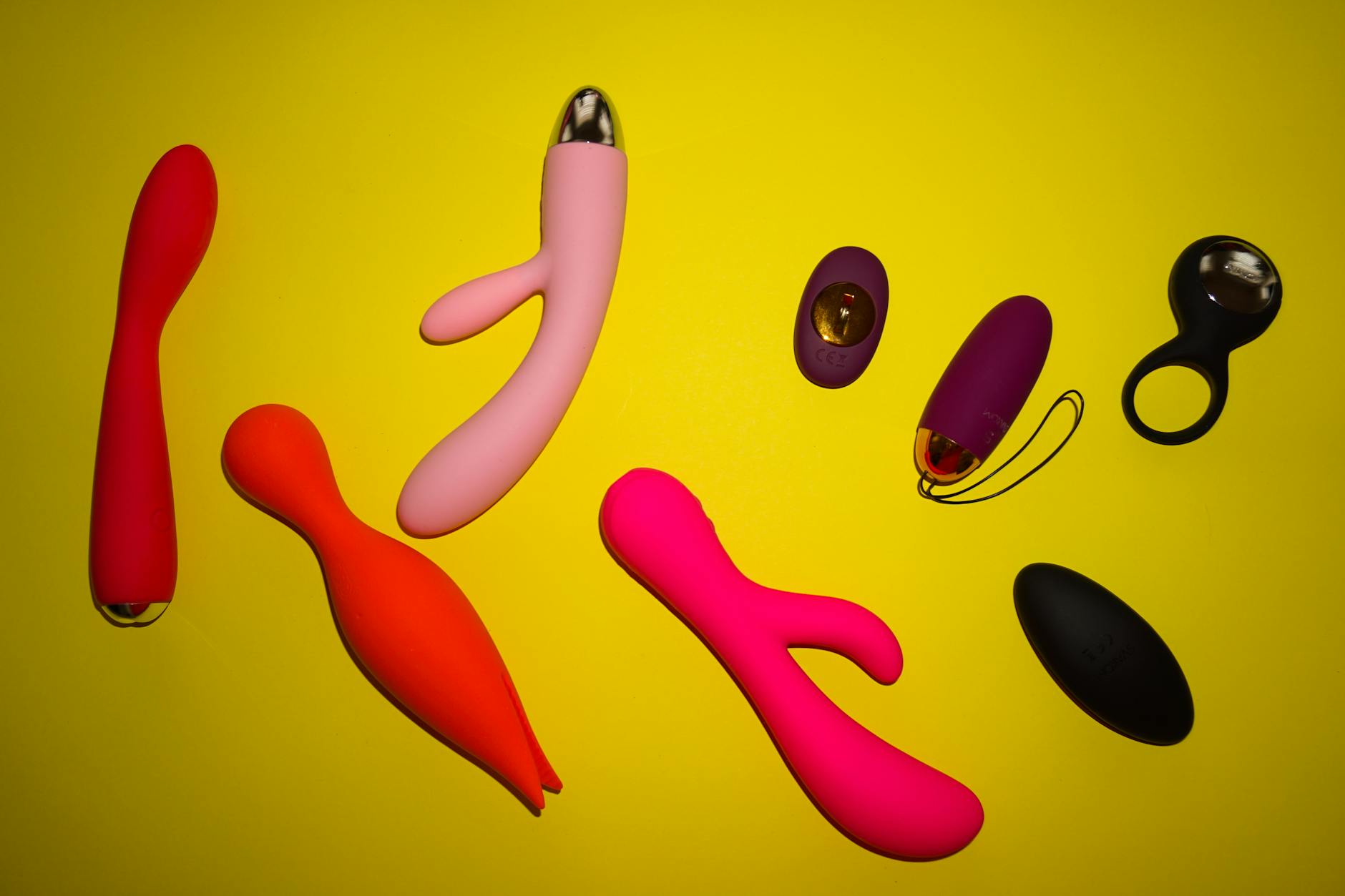
How Lemon Vibrators Help During Perimenopause When Hormones Shift
Perimenopause hits different. One month your body responds exactly the way it always has. The next month, arousal takes longer. Sensation feels muted. What used to be reliable suddenly isn't. You're not broken. Your hormones are swinging wildly, and your nervous system is catching up with each fluctuation.
The tricky part? Unlike menopause, which has a defined endpoint, perimenopause is a 5-10 year blur of unpredictability. One day you're fine. The next day you're spotting, your breasts are tender, and the thought of being touched feels overwhelming. This is where most people get frustrated with their usual tools. And this is exactly where lemon vibrators shine.
I've worked with hundreds of clients navigating perimenopause, and what I've learned is that pleasure doesn't disappear during this transition. It just needs different support. The right tool makes all the difference.
What Actually Happens to Your Body During Perimenopause
Your ovaries are gradually shutting down production of estrogen and progesterone, but they're not doing it in a neat, linear way. Some months, hormones surge. Other months, they crater. This erratic pattern affects more than just your period. It rewires how your nervous system responds to touch, how quickly blood flows to your genitals, and how your brain signals pleasure.
Estrogen influences vaginal lubrication, tissue elasticity, and blood flow to your clitoris. When levels drop, lubrication decreases. Tissue becomes thinner and more sensitive. The clitoris itself can feel either hypersensitive or muted, depending on where you are in your hormonal cycle. Progesterone affects arousal and relaxation. When it's low, you might feel anxious or disconnected. When it's high, you might feel weirdly tired.
The result? Pleasure becomes unpredictable. What works one week might feel uncomfortable the next. This is completely normal. It's also completely frustrating, which is why so many people give up.
Why Lemon Clitoral Vibrators Work Better During This Phase
Traditional vibrators rely on direct friction and sustained vibration intensity. During perimenopause, when your tissues are variable and your sensitivity is fluctuating, that approach often backfires. Either the stimulation feels too intense and overwhelming, or it doesn't register at all.
Lemon vibrators use suction technology instead. The gentle pulse-and-release pattern mimics the natural rhythm of arousal. Rather than overwhelming the clitoris with constant vibration, the suction cups your clitoral tissue and stimulates the entire cluster of nerve endings at once. This matters enormously when hormones are in flux.
Here's why this works during perimenopause specifically:
First, suction provides stimulus without the raw friction. When your tissue is thinner or more tender, direct vibration can feel abrasive. The lemon's design lets you control intensity through suction strength rather than having to tolerate a one-size-fits-all vibration pattern. Second, the stimulation pattern activates more nerve fibers at once, which means you need less total intensity to feel pleasure. Third, suction-based clitoral vibrators often deliver stronger sensation with lower overall energy. For people whose arousal pathways are temporarily sluggish due to hormone fluctuation, this is genuinely helpful.
I've had clients tell me that lemon vibrators were the first tools that worked during perimenopause when their usual go-tos suddenly felt wrong.
The Perimenopause Pleasure Timeline
Different phases of perimenopause bring different challenges. Understanding where you are in the cycle helps you work with your body instead of against it.
Early perimenopause (hormones starting to shift). Luteal phase symptoms may worsen. You might feel more irritable, bloated, or emotionally reactive. Sexual desire can tank in the second half of your cycle. A lemon vibrator gives you a way to access pleasure that doesn't require sustained arousal. You can use it for shorter sessions and still reach orgasm.
Mid-perimenopause (hormone swings are unpredictable). Some months you'll have two periods. Other months, three months will pass with nothing. This chaos affects your nervous system. You might feel more anxious overall, which dampens arousal. The reliable, predictable stimulation of a lemon sucker can actually help regulate your nervous system. Orgasms release oxytocin and serotonin, both of which help with emotional balance during this turbulent time.
Late perimenopause (hormones are mostly low). This starts to look more like early menopause. Lubrication decreases significantly. Tissue becomes noticeably thinner. Sleep disruption gets worse, which tanks desire. This is when the gentleness of lemon vibrators becomes especially valuable. The suction mechanism doesn't require the same amount of lubrication that traditional vibrators do, and it's less likely to cause irritation.
Practical Adjustments for Perimenopause Pleasure
Using a lemon vibrator during perimenopause is straightforward, but a few tweaks make it work better:
Start with lower suction settings. Your tissues are variable right now. Begin at the lowest setting and work up, even if you've always used higher intensities. Your sweet spot may have shifted. Add lubrication, even if you usually don't need it. During perimenopause, proactive lubrication prevents micro-tears and makes the experience more comfortable. Use a water-based lube compatible with silicone toys. Extend your warm-up. Arousal takes longer during hormonal fluctuation. Instead of jumping in, spend 10-15 minutes with foreplay or erotic content before using the toy. Pay attention to your cycle. If you're still menstruating, notice how your response changes across your cycle. Many people find they prefer a lemon vibrator during certain phases and want different stimulation during others. This awareness helps you plan.
The Emotional Component Nobody Talks About
Here's what I see happen with clients: their bodies change, they feel blindsided, and they interpret the change as a loss of sexuality. They think, "My body doesn't work the way it used to, so I'm broken." That's not true. Your body is adapting to a massive hormonal shift. Adapting is not the same as breaking.
The emotional work during perimenopause is learning to explore your pleasure without the expectation that it will feel the same as it did at 25 or 35. It won't. But that doesn't mean it's worse. Many people discover new pathways to pleasure during this transition because they have to be more intentional. Pleasure stops being something that just happens and becomes something you actively create.
If you have a partner, this is worth communicating about. "My body is responding differently right now, and I need to explore what works. I want your support in that" is a conversation worth having. How to introduce lemon vibrators to your partner covers this in detail, but the short version is: vulnerability invites partnership.
When to Check In With Your Doctor
If pleasure is changing alongside other perimenopause symptoms, that's normal. But if you're experiencing pain during sex, significant dryness that doesn't improve with lubrication, or complete loss of interest in intimacy, it's worth talking to a healthcare provider. Genitourinary syndrome can start during perimenopause, and it's highly treatable. Vaginal estrogen cream works beautifully for many people and has minimal systemic absorption.
If you're on hormonal birth control, that also affects your experience. Some birth control methods suppress the hormone cycling and can actually make perimenopause symptoms feel less erratic. Others can intensify them. Your doctor can help you figure out what's causing what.
FAQ: Lemon Vibrators and Perimenopause
Can I use a lemon vibrator if I'm having hot flashes and feeling touched out?
Absolutely. A lemon vibrator is something you control entirely. There's no partner touch, no pressure to perform, no expectation. Many people find that self-pleasure during perimenopause is actually easier than partnered sex because there's zero relational pressure. You get to explore your own body without negotiating what happens next.
What if my sensitivity is too high and everything feels uncomfortable?
Start with the absolute lowest setting and use it over your underwear first if needed. Seriously. Sometimes just the vibration through fabric is the right amount of stimulation. You can also try shorter sessions. Fifteen minutes at low intensity might feel better than five minutes at high intensity. And remember: this phase is temporary. Your sensitivity will likely shift again as hormones continue to change.
Do lemon vibrators work if lubrication is the main problem?
Not entirely, but they help. The suction mechanism doesn't create friction the way traditional vibrators do, so you need less lubrication to feel good. That said, adding lubrication is still smart. It prevents irritation and makes the experience more comfortable. Water-based lube is your friend during perimenopause.
Is it normal to lose interest in orgasm altogether during perimenopause?
Yes. Progesterone affects motivation and desire. When progesterone is low, you might feel less interest in pursuing pleasure. This usually passes. But if complete loss of interest persists for months, it's worth checking with your doctor. Sometimes that's a sign of depression or a thyroid issue that's separate from the perimenopause hormonal changes.
How does perimenopause pleasure compare to after menopause?
Perimenopause is the turbulence. Menopause is calmer. Once your hormones settle, many people report that their pleasure actually stabilizes in a good way. The unpredictability stops. You know what to expect from your body. Lemon vibrators work beautifully throughout, but the reasons you're using them might shift.
Can I use a lemon vibrator with other perimenopause symptoms like brain fog or fatigue?
Yes. Orgasm releases endorphins and helps regulate your nervous system, which can help with both brain fog and fatigue. Even if you're exhausted, a 10-minute session with a lemon vibrator might actually leave you feeling more energized because of the chemical release. That said, sometimes you're just tired and that's okay too. Self-pleasure should never feel like another obligation.
Moving Through This Transition With Pleasure
Perimenopause doesn't mean the end of your sexual self. It means the beginning of a different chapter. Your body is capable of pleasure right now, even as hormones are swinging wildly. The tools you use might need to change. Your expectations might need to shift. But your capacity for orgasm, for sensation, for connection is still completely intact.
Lemon vibrators exist for exactly this moment. They work with your changing body instead of against it. They let you explore pleasure without pressure. They're adaptable to whatever your body needs on any given day.
If you're navigating perimenopause and feeling lost around pleasure, you're not alone. Reach out to our contact page if you have specific questions. We're here to help you figure out what works for your body right now.