How to Use Lemon Vibrators When You're Returning to Pleasure After a Long Break
There's no judgment here. Whether you've been away from pleasure for six months, three years, or a decade, the reason doesn't matter nearly as much as what happens next. You've decided to come back. That takes courage.
Honestly though, the hardest part isn't physical. It's the mental gap between "I used to enjoy this" and "Can I still enjoy this?" That gap feels real, and it is. But it's also crossable. And lemon vibrators, specifically their gentle suction mechanism, are one of the smartest ways to bridge it.
Why returning to pleasure feels different
Your body hasn't forgotten how to feel pleasure. Full stop. The neural pathways for arousal, sensation, and orgasm don't disappear from disuse. But three things have shifted after a long break.
First, confidence erodes. You're not sure your body will respond the way it used to. You might feel self-conscious about desire itself. That anxiety is a very real blocker. Stress floods the nervous system, and arousal can't build under stress.
Second, sensation sensitivity recalibrates. If you haven't had consistent stimulation for months or years, your clitoral nerve endings adapt to lower input. This doesn't mean they're broken. It means they need a gentle reintroduction, not a shock. This is where lemon vibrators excel. The suction stimulation wakes up nerve endings without aggressive vibration that can feel startling or overwhelming.
Third, you might have internalized shame or guilt around pleasure in general. Life happens. Relationships shift, mental health takes a hit, grief arrives, caregiving consumes you, medication side effects pile up. And somewhere in that, pleasure stopped feeling like a priority or even a right. Rebuilding it means untangling some of that belief.
The mental setup comes before the physical one
Let's get clear about this: you can't orgasm your way out of guilt. You have to think your way through it first.
Before you even touch a lemon vibrator, sit with this question alone: "What made me step away from pleasure, and is that reason still active?" If the answer is "Yes, grief is still here" or "Yes, my partner still avoids me," then addressing pleasure is addressing the symptom, not the cause. Those deserve attention too. Maybe that's therapy, maybe that's a conversation with your partner, maybe that's medication adjustment. Those are separate work.
If the answer is "No, that reason has passed, and I'm just stuck," then you're ready to re-enter. The lemon vibrator becomes a tool for unsticking yourself.
One more mental piece: give yourself permission to go slow. There's no deadline here. Pleasure is not a race, and returning to it is not a performance test. You're allowed to touch it once, feel weird, and stop. That's not failure. That's honoring your nervous system.
How to reintroduce sensation safely
Start with the Lemon clitoral vibrator on its lowest setting, or even just the suction without any vibration pattern active. The suction alone (sometimes called "pulse mode" depending on the model) creates a gentle, sustained sensation that feels very different from traditional vibration. It's often less jarring for people whose bodies have been dormant.
Set a timer for five minutes. Seriously. Five. Your clitoris is incredibly sensitive after time away, and you don't want to overstimulate it. You're recalibrating, not chasing an orgasm yet.
Apply water-based lubricant generously. After a long break, your body might not produce lubrication automatically, and that's completely normal. Lube isn't a sign of dysfunction. It's a signal that you're honoring your body's real current state. The suction mechanism on lemon vibrators works well with water-based lube. It creates a gentle seal and amplifies the sensation without creating friction.
Turn your phone off. Close the door. Tell your household you need 20 minutes alone. Context matters wildly here. If you're rushed, worried about interruption, or performing this for someone else, your nervous system won't cooperate. Arousal requires a genuine sense of safety and privacy.
What to expect in those first sessions
You might feel nothing. That's not a sign to panic. Some people need three or four sessions before the nervous system recognizes what's happening and responds. The lemon vibrator's suction creates a unique sensation pattern. Your body may need time to interpret it as pleasurable rather than just "something weird."
You might feel a lot and get overwhelmed. That's also okay. If the sensation feels too intense, stop. Lower the intensity. Add more lube. Take a breath. This is re-entry, not conquest.
You might feel touch sensation but not arousal sensation. Like, you can feel the vibrator working, but nothing is happening sexually. Keep going anyway, a few more times. Sometimes the body's pleasure circuitry needs a few attempts to wake up. It's like a muscle that's been asleep.
You might feel pleasure, think "Oh good, it's working," and then suddenly feel awkward or guilty. That's the shame piece kicking in. Acknowledge it, don't fight it. Say to yourself: "I'm allowed to feel good. This is for me." Then continue if you want to, or stop if you don't. Both are valid.
Building a rhythm that works for you
Once you've had a few gentle introductory sessions and your body is responding somewhat, gradually increase your time. Move from five minutes to ten. Then try a higher intensity setting. Most lemon vibrators have three to five intensity levels. Stay in the lower half for the first week or two. There's zero prize for jumping to maximum intensity.
Set a regular time for this if possible. Same time, same place, same mental space. Your nervous system loves predictability. If it knows that Tuesday and Thursday evenings are "pleasure exploration time," it starts preparing. Anticipation is part of arousal.
If you're with a partner and ready to involve them, start by showing them the device without sexual pressure. Let them understand what you're doing and why. Many partners feel relieved when they learn you're taking initiative in your own pleasure, rather than it becoming their responsibility to "fix" you.
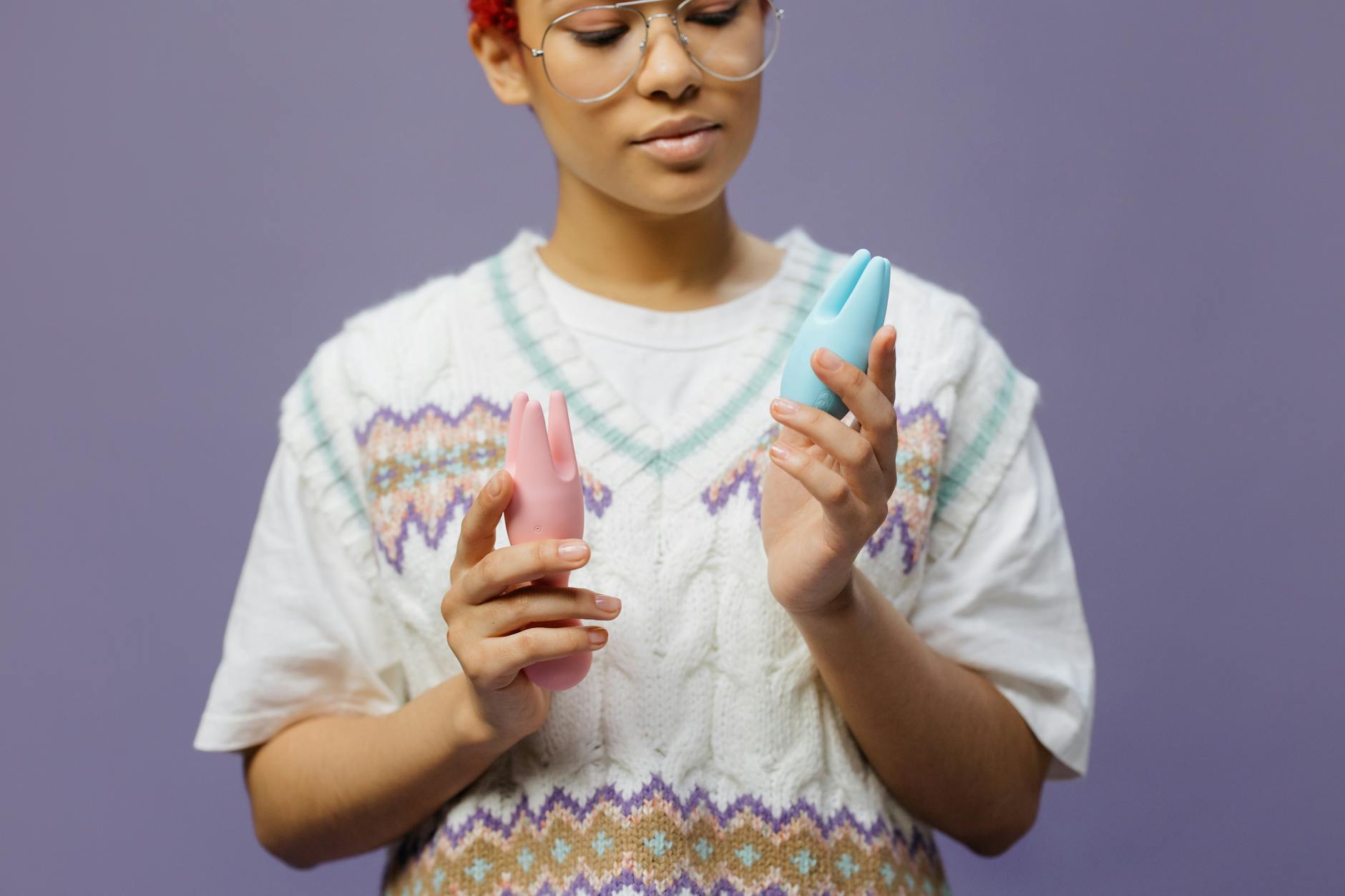
Photo by cottonbro studio on Pexels
You don't have to use the lemon vibrator every time you explore. Some sessions, you might use only your hands. Some might involve the device. Variety keeps things interesting and prevents your body from adapting too quickly to one specific stimulus.
Why lemon vibrators specifically help with this transition
Lemon clitoral vibrators use air-pulse technology (suction) rather than traditional buzzing vibration. That matters for re-entry because suction feels more rhythmic and less jarring to a body that's been away from sensation. It's almost like a massage rather than a shock.
The focused design means you're targeting exactly one area, not trying to navigate multiple sensations. Simplicity is an asset when you're rebuilding confidence. You know where the sensation is, you control the intensity, and you can predict the pattern.
Most importantly, lemon adult toys are designed with pleasure and wellness in mind, not performance or penetration. That psychological difference matters. You're engaging with a tool built to serve your pleasure, not a medical device or a partner's accessory. That distinction can shift your whole relationship with the experience.
Common friction points and how to move through them
Your partner asks what you're doing and you feel embarrassed. Here's the truth: your pleasure is not their business unless you make it their business. You're allowed to say "I'm taking care of myself," and leave it there. If you want to share eventually, great. If you don't, that's fine too.
You orgasm faster than you expected and feel disappointed it's "over." Pleasure isn't linear. You might have another one, or you might just rest in that good feeling. Both are success.
You get frustrated because your body isn't responding as quickly as you want. That frustration is the enemy here. Zip it. Breathe. Remind yourself this is exploration, not a test.
You feel guilty because you "should" be doing this with your partner instead of alone. You shouldn't. Solo pleasure is where you rebuild the relationship with your own body first. Partner sex comes after. They're not in competition.
When to escalate and when to pause
After two to three weeks of regular sessions, if your body is responding consistently and you're enjoying the sensation, you can start experimenting more. Try different intensities. Try longer sessions. Try different times of day. Some people find morning feels fresher, others prefer evening when they're relaxed.
If you're approaching four weeks with very little progress, don't panic. Consider whether stress, medication, or other factors are still blocking you. Also consider whether shame is still doing its work under the surface. Sometimes therapy or couples counseling needs to happen alongside pleasure re-entry. They're not separate problems.
Many people find that after six to eight weeks of consistent solo exploration with lemon vibrators, they're ready to involve a partner or explore other dimensions of pleasure. But there's no deadline. Some people spend months just getting comfortable with themselves again. That's not slow. That's honest.
FAQ: Your questions about returning to pleasure
Can my body "forget" how to orgasm after a long time away?
No. Your clitoris has roughly 8,000 nerve endings, and they don't disappear. What changes is the nervous system's sensitivity to input and, frankly, your confidence. After a long break, it often takes a few weeks of consistent stimulus for your brain to recognize and respond to arousal. That's normal, and it's not permanent.
Is it normal to feel emotional during or after using a vibrator when returning to pleasure?
Completely normal. Pleasure and emotion are processed in overlapping brain regions. After a long break, coming back to sensation sometimes triggers feelings of sadness, grief, release, or joy. Let those feelings exist. They don't mean something is wrong.
Should I tell my partner I'm using a lemon vibrator to reconnect with pleasure?
Not necessarily right away. Solo pleasure is for you. If your relationship is strong and you eventually want to share, great. But you don't owe your partner visibility into your private exploration. Some people prefer to rebuild confidence alone first, then introduce partner sex later.
What if I feel guilty about pleasure even after months of using a vibrator?
That's your nervous system signaling that deeper work might be needed. Guilt around pleasure often has roots in upbringing, trauma, religious messaging, or past relationship dynamics. A therapist, especially one trained in sex-positive approaches, can help you untangle that. The lemon vibrator can support the physical re-entry, but the guilt piece usually needs conversation.
How do I know if I should see a doctor before returning to pleasure?
If you're experiencing pain, significant numbness, or if a long absence followed an injury or surgery, yes, check with your doctor. Otherwise, you're safe to explore gently. If after four to six weeks you're still not feeling sensation at all, mention it to your GP. It could be medication-related or signal something worth investigating.
Can I use a lemon vibrator with a partner when I'm first returning to pleasure?
Absolutely, if you both want to. But start with solo exploration first. Knowing your own baseline and what feels good makes partnered sex easier. When you do involve them, how to use lemon vibrators with a new partner and explore together can be a great resource for navigating it together.
The real endpoint here
Returning to pleasure after a long break isn't about forcing yourself to orgasm faster or "catching up" on what you missed. It's about rebuilding trust in your own body and your own right to feel good. That process is inherently slower than just using a vibrator because it's psychological, not just physical.
Lemon clitoral vibrators help because they're gentle enough for re-entry, intentional enough to create real sensation, and simple enough that you're not managing a complicated learning curve. You can focus on the feeling, not the logistics.
Give yourself permission to take time. Your pleasure matters, even if it's been dormant for years. And you deserve a pathway back that feels safe, shameless, and genuinely yours. If you're stuck and not sure where to start, reaching out can help too.