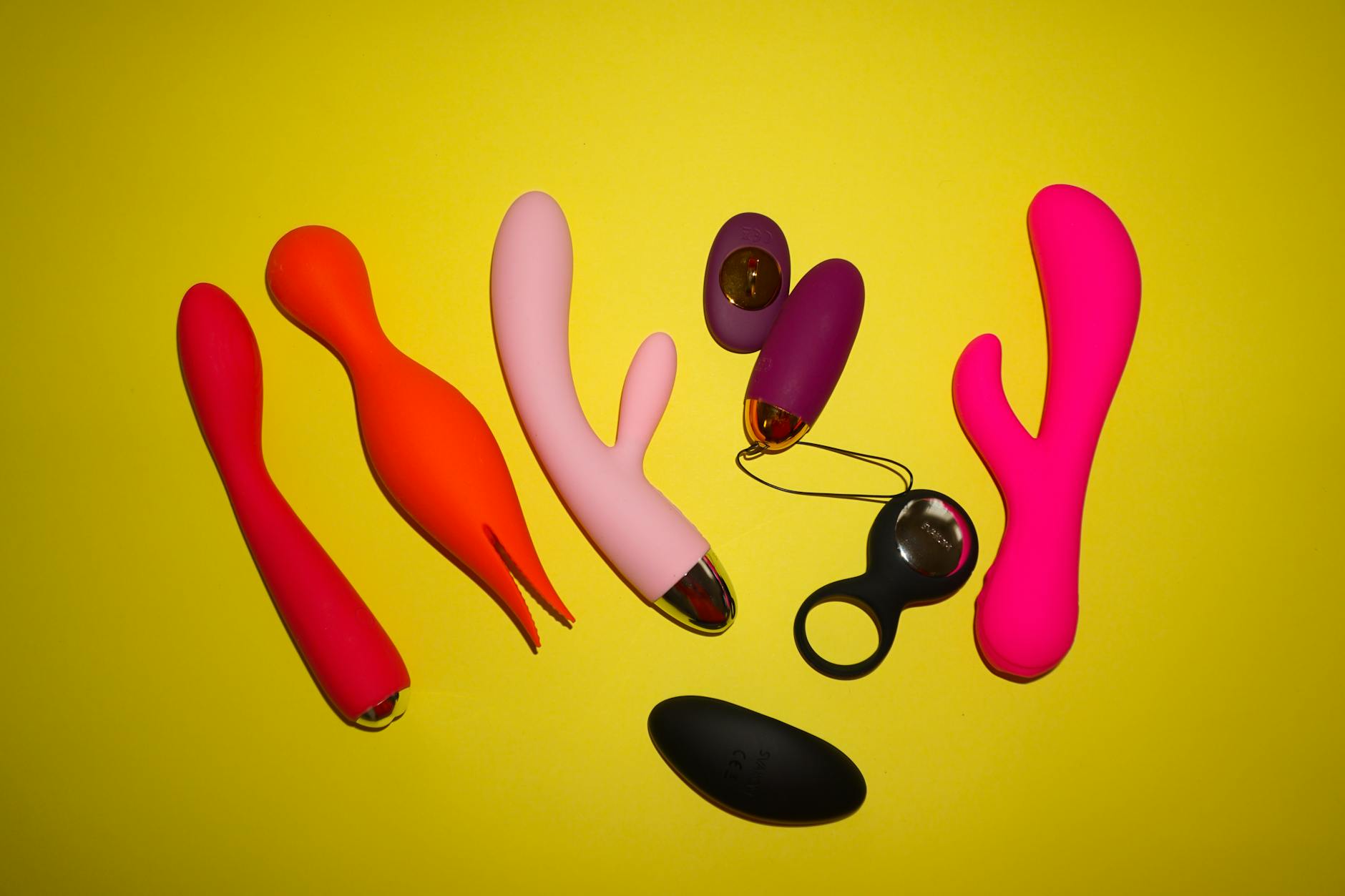
How to Use Lemon Vibrators When You're Past the Physical Stage of Menopause
Let's be real: the worst of menopause is behind you. The night sweats have eased. Your brain isn't wrapped in cotton anymore. You've adjusted to your new hormonal baseline. And now something interesting happens. Desire doesn't come roaring back like a teenage boy's. It comes back different. Quieter. More intentional. And if you know how to work with it, infinitely more satisfying than it was before.
This is the phase most people don't talk about. Everyone obsesses over the acute phase, the hot flashes and the mood swings. But there's a whole second chapter that begins after those symptoms settle, and your pleasure life in this chapter follows its own rules. Lemon vibrators, which work beautifully with post-menopausal tissue, become even more useful now because you're not just managing physical changes. You're reclaiming intensity with a body that's finally stable again.
The paradox: why pleasure often feels deeper after the worst passes
Here's what I see clinically. When someone is in acute menopause, their body is in constant chaos. Hot flashes interrupt sleep. Anxiety spikes. Attention scatters. The last thing their nervous system wants is stimulation. But once that acute phase settles, something shifts. The nervous system calms. Sleep returns. And suddenly the infrastructure for pleasure is back online.
Your clitoris didn't lose sensation during menopause. It got overpowered by systemic noise. With that noise gone, you can feel subtlety again. You can build arousal that lasts. You can orgasm in ways that feel more complex, more layered, than they did before. This is why many of my clients report that their most intense orgasms happen not in their twenties, but in their fifties.
The tissue changes are real. Estrogen drops permanently. Your vulva might feel less plump. But here's the part nobody explains: thinner tissue is actually more responsive to the right kind of stimulation. Traditional vibrators that work through percussion can feel abrasive. Lemon clitoral vibrators, which work through suction and air-pulse patterns, engage nerve endings without grinding against delicate skin. It's the difference between a hammer and a paintbrush.
Understanding your new arousal curve
During perimenopause and early menopause, arousal is erratic. One day you're interested, the next you're completely flat. This unpredictability messes with your ability to trust your own body. But once you're past the acute phase, arousal becomes more predictable again. It's slower. It requires more intention. But it's reliable.
This matters because it changes how you approach solo pleasure. You can't expect spontaneous desire anymore. That's not a loss. That's an invitation to slow down and get curious about what actually turns you on, separate from what you think you should want. Set aside 20 minutes instead of 5. Create actual conditions for interest to emerge. Light a candle. Put your phone in another room. Let your mind settle.
With a lemon vibrator, start on the gentler patterns. Patterns 1 through 3 are your friends at this stage. The suction sensation builds arousal steadily without overwhelming your nervous system. Many people find they need 15 to 20 minutes to build to orgasm. That's completely normal. Your body isn't broken. It's just operating on a slower cycle now, and that cycle allows for deeper pleasure.
The texture and sensation conversation
Vaginal dryness improves after the acute phase, but it doesn't resolve completely. Your tissue remains thinner. Some people find that vaginal moisture returns enough that additional lubrication becomes optional. Others find they still prefer it, and that's equally fine. Water-based lube is still your safest option if you use lemon sexual toys, since silicone lube can damage the silicone exterior over time.
What changes is the sensation you're seeking. During early menopause, you might have wanted intense pressure as proof that sensation existed at all. Now you can explore subtlety. The clitoral area has thousands of nerve endings, and most of them are on the outer surface. The outer vulva, the labia minora, the areas around the clitoris, not just the button itself. Air-pulse toys like lemon vibrators let you explore these zones without intense pressure.
Start with the toy held slightly away from your clitoris, letting the suction sensation build your arousal. Then move closer. Experiment with different areas. You might find that the sweet spot has shifted slightly. Your body has reorganized itself around new hormonal reality. Finding pleasure now is a process of discovery, not memory.
When to use lemon vibrators solo versus with a partner
After menopause settles, many couples find their dynamic shifts. Some people want to reconnect physically after months of feeling awful. Others realize they've drifted and need to rebuild. Using a lemon vibrator solo first is smart, because you get to understand your own pleasure without the pressure of performing or coordinating with someone else.
Solo pleasure at this stage is actually a gift. You can take all the time you need. You can stop and start. You can try different approaches. You can learn exactly what feels good, then bring that knowledge to partnered sex if that's in your life. This isn't selfish. It's the opposite. The more you know your own arousal, the better you can communicate it.
If you do have a partner, here's what helps: talk before, not during. "I've noticed I need more time to warm up now, and I'm curious about exploring that." This removes the awkwardness from the experience. You're not performing for them. You're inviting them into a discovery. Many partners find this phase genuinely hot, because there's less performance pressure on both sides and more real intimacy.
Building an arousal routine that works
Remember, if you've explored pleasure after menopause symptoms became less acute, you might want to revisit how to use lemon vibrators when you want to slow down and extend pleasure to deepen that practice. The foundation is the same: time, intention, and a tool that meets your body where it actually is.
Here's a concrete routine that works for most people in this phase:
Minutes 0-5: Settle your nervous system. Breathe. Think about something that genuinely interests you, not something you think you should find hot. This isn't about fantasy. It's about genuine curiosity or desire.
Minutes 5-15: Start with your toy on a gentle pattern, held at a distance. Let arousal build slowly. There's no rush. Your body will give you signals when it's ready for more intensity.
Minutes 15-20: Increase intensity gradually. Move closer. Try different patterns. Pay attention to what shifts. An orgasm that takes 20 minutes might feel deeper than one that took 5.
After: Rest. Don't immediately jump into activity. Your nervous system just went somewhere. Give it a moment to settle back.
This routine doesn't require any specific product. But lemon clitoral vibrators work beautifully here because the air-pulse mechanism is specifically designed for post-menopausal physiology. You're not fighting against your body. You're working with it.
Managing expectations about orgasm changes
Here's something nobody tells you: your orgasms might feel different after menopause. Sometimes more intense. Sometimes shorter. Sometimes more spread out through your body instead of concentrated. This is completely normal. Your pelvic floor has changed. Your hormones have changed. The sensation pathway has reorganized itself.
If orgasms feel weaker or less frequent, that's sometimes about arousal taking longer to build, which is fixable with time and patience. Sometimes it's about needing different stimulation patterns. Sometimes it's about stress or relationship dynamics that have nothing to do with menopause at all. If orgasms have completely disappeared and aren't returning after you've given yourself time and space to explore, that's worth discussing with a menopause-trained GP. It's not inevitable. It's treatable.
But if orgasms feel different and you're still reaching them, that's not a problem. That's your body adapting. Pleasure isn't one shape. It changes over time, and sometimes the new shape is actually better than the old one.
The mental game: reclaiming pleasure as yours
Menopause can make you feel like your body has betrayed you. Hot flashes, mood swings, and changes to your sexual response can feel like loss. By the time the acute phase passes, you've spent months feeling like your body wasn't yours anymore. Reclaiming pleasure means reclaiming ownership of your body. Solo pleasure, even simple pleasure with a lemon vibrator, is an act of saying: this is mine. My pleasure matters. My satisfaction is worth time and attention.
That reclamation is not trivial. It rewires your nervous system. It reminds you that your body can feel good. It builds the foundation for partnered pleasure if that's something you want. And even if it's not, it's a grounding practice that connects you back to yourself.
People also ask
Is it normal for pleasure to feel different after menopause?
Completely normal. Your estrogen levels have permanently shifted, which changes tissue thickness, arousal speed, and sensation. Your nervous system has also stabilized after months of chaos. Both of these changes mean pleasure will feel different. Different is not worse. Often it's deeper, because you're not fighting systemic noise anymore.
How long does it take for desire to return after menopause?
It varies. Some people notice interest returning within weeks of the acute phase easing. Others take months. Stress, relationship dynamics, medication, and underlying health conditions all affect it. If desire hasn't returned after 6 months of stability, it's worth checking in with a therapist or doctor. Sometimes desire needs support to come back.
Should I use a different vibrator after menopause than I did before?
Maybe. Traditional vibrators that work through percussion can feel harsh on thinner post-menopausal tissue. Air-pulse toys like lemon sexual toys are gentler and often more effective because they stimulate nerve endings without direct pressure. That said, if you have a toy you love and it works, keep using it. Your body will tell you if something doesn't feel good anymore.
Can lemon vibrators help with low desire after menopause?
They can help you explore arousal, which sometimes builds desire. Using a lemon clitoral vibrator gives you a tool to experience pleasure without pressure. That experience often reminds you that pleasure is possible, which can shift your relationship to desire. But if desire is completely absent and isn't budging, that's a conversation for a therapist or doctor.
How often should I use a lemon vibrator in this phase?
As often as feels good. There's no rule. Some people use it once a week. Some use it three times a week. Some use it daily. What matters is that it feels chosen, not obligatory. If it starts to feel like a chore, you've probably overdone it.
What if I still experience pain during pleasure after menopause?
That's worth investigating. Genitourinary syndrome of menopause, which includes tissue thinning and reduced lubrication, is treatable. Topical estrogen creams can help significantly, often within weeks. A menopause-trained GP can walk you through options. Pain is not a permanent side effect of menopause. It's a symptom that responds to treatment.
The real version
Menopause ends. The acute phase passes. Your body settles. And then you get to decide what pleasure looks like on the other side. It won't look like it did in your twenties. It might look better. It probably requires more intention. But intention is the opposite of performance. Intention is care. It's saying your pleasure is worth time.
Lemon vibrators meet your post-menopausal body exactly where it is. Gentle. Responsive. Built for tissue that needs something other than force. If you want to explore your pleasure in this new phase with support and without judgment, we're here. And if you have questions about how to get started, reach out to us. Your satisfaction in this chapter is just as valid as it was before, and it's entirely possible to find it.
Sources and further reading
- Nappi, R. E., & Kokot-Kierepa, M. (2019). Women's voices in the menopause: Results of an international survey on vaginal health. Maturitas, 112, 117-123.
- Parish, S. J., et al. (2021). International Society for the Study of Women's Sexual Health clinical guidelines for sexual health in aging women. Menopause, 28(6), 603-618.
- Rees, M., & Stevenson, M. (2020). Menopausal medicine: A manual for health professionals. Royal Society of Medicine Press.