When desire returns, it's tender
Depression kills libido. Not softly, but completely. And then one day, without warning, something shifts. A thought crosses your mind. A sensation lands. You feel a flicker of interest that's been absent for months. It's real, it's fragile, and it deserves care.
Rediscovering pleasure after depression is not the same as discovering it the first time. You're not learning from zero. You're learning from a place of loss, which makes everything feel both more precious and more risky. Your nervous system needs reassurance that pleasure is safe again.
What depression does to arousal (and what recovery looks like)
Depression is not a mood problem. It's a neurochemical reset that flattens dopamine, serotonin, and the neural pathways that light up during desire. Your brain literally forgets how to want. Many antidepressants also suppress libido as a side effect, which compounds the numbness.
When you emerge from depression, libido doesn't snap back like a rubber band. It returns in whispers. Small moments of interest that feel almost uncertain. Your body might respond slowly at first. Arousal might take longer. Your orgasms might feel different or take more effort to reach.
This is completely normal. Your nervous system was in survival mode and is learning to trust pleasure again.
The nervous system needs rebuilding, not rushing
Here's the thing: pleasure is a nervous system event. Depression puts your body in a persistent state of threat detection. Even after your mood improves and the depression lifts, your nervous system might still be running in protective mode. Pushing yourself to feel pleasure before that nervous system recalibrates is like trying to relax a tense muscle by forcing it. It backfires.
The most effective recovery looks like this: start with sensation work that requires zero performance. No goal of orgasm. No timeline. Just touch that feels safe.
Before you reach for a vibrator, spend a week or two rediscovering your body with your hands. Notice what textures feel good. Warm, cold, slow, fast. Pay attention without judgment. This isn't foreplay. It's nervous system rehabilitation.
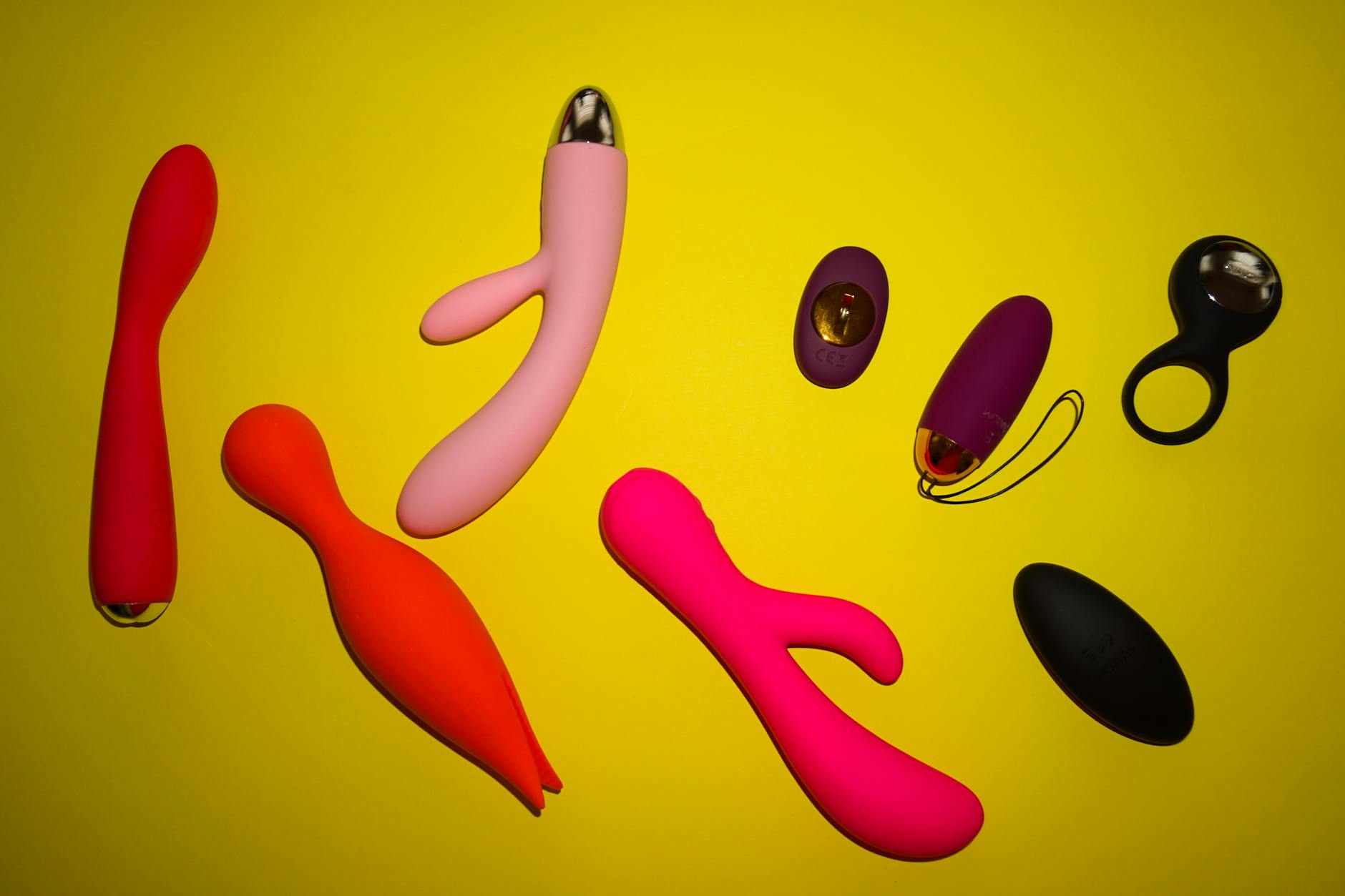
When you do introduce a vibrator, choose one that feels intuitive. Lemon vibrators use air-suction technology instead of traditional vibration, which means you're not relying on intense buzzing to build sensation. The suction is more gradual, more controllable. It feels like support, not force.
Using lemon clitoral vibrators when you're just starting to feel again
Start on the lowest pattern. Seriously. If your lemon vibrator has five settings, begin with pattern one. Your nervous system has been offline. Introducing too much intensity too fast can actually reset you backward, because your brain will flag it as overwhelming rather than pleasurable.
Spend 10 minutes on the lowest setting just getting acquainted with the feeling. Not trying to orgasm. Not tracking whether you're "getting there." Just noticing: does this feel good? Does it feel safe? Can I relax into it?
Many people returning from depression report that their first orgasms back are small. Almost disappointing in their quietness. That's not failure. That's your nervous system saying, "Okay, I remember this. I'm ready for just a little bit more." The intensity will build as your system gains confidence.
If you find yourself tensing up, holding your breath, or focusing hard on reaching an orgasm, pause. That's your nervous system signaling threat. Lower the intensity. Try a different pattern. Or stop and come back tomorrow. Patience is not weakness here. It's the actual strategy.
The conversation with yourself (and your partner, if there is one)
If you're in a relationship, libido returning is often a surprise for both of you. Your partner might have adjusted to a period of no sex. They might have anxiety about what your desire returning means. Or they might jump into expectations that put pressure on you.
Here's what helps: separate the two conversations. "My body is waking up again" is different from "I'm ready to have sex with you right now." The first one is real. The second one might take time.
If you're using a lemon vibrator with a partner present, you get to decide the terms. Some people find that exploring solo first, with a partner in the next room, bridges the gap. Others want their partner there but not engaged. Some want to explore together from day one. There's no correct timeline.
What matters is that rediscovering pleasure after depression is yours to do at your pace. How to Use Lemon Vibrators When Your Partner Wants to Watch can help if you're navigating that specific dynamic.
When sensation still feels muted
Sometimes libido returns, but sensation stays flat. You feel desire intellectually, but physically you're not getting the feedback you expect. This happens because depression and many antidepressants can create what's called anhedonia. Recovery is happening, but pleasure receptors are still quieter than baseline.
If this is your experience, know that sensation often returns in layers. Week one feels muted. Week four feels fuller. Month two feels like home again. It takes time. Your body is literally rebuilding neural pathways.
In the meantime, lemon vibrators can help because suction-based stimulation tends to create a broader, less intense sensation than traditional vibrators. This can feel less frustrating if you're already struggling with numbness. It's stimulation that doesn't demand a response. It just offers itself.
The grief that sometimes arrives alongside pleasure
This rarely gets talked about, but it's real: rediscovering pleasure after depression sometimes brings up complicated feelings. Grief for the time you lost. Anger at depression for taking this from you. Or strangely, a bit of guilt that you're feeling good when you weren't allowed to feel good before.
If these feelings arrive, they're not a sign you're doing something wrong. They're a sign you're integrating what happened. Your nervous system is processing loss and return at the same time.
Give yourself permission to feel messy about this. Pleasure after depression is not simple. It's layered and tender and sometimes confusing. That's all okay.
Small wins matter more than milestones
Forget about "getting back to normal." Your normal has changed. You don't get to skip the rebuild phase. But you do get to notice the small moments: the first time you feel arousal without fighting it. The first orgasm that surprises you with its intensity. The first time you forget you're tracking your own pleasure because you're just in it.
These moments are your nervous system saying, "I trust again." That's the win.
Practical checklist for reintroduction
Start here. Do these in order.
Week one: solo touch exploration with your hands. No vibrator. Just notice what feels good.
Week two: introduce your lemon vibrator on the lowest setting for 5-10 minutes daily, no orgasm goal.
Week three: if that felt manageable, try a slightly higher setting or longer duration, still solo.
Week four: decide if partnered exploration feels right, or keep going solo for as long as you need.
Month two: increase intensity or patterns only if your nervous system is signaling readiness, not because you think you "should."
Your timeline might be different. That's perfect. The only rule is: pressure is the enemy. Patience is the strategy.
FAQ
Can I use a lemon vibrator if I'm still taking antidepressants?
Absolutely. Antidepressants can suppress libido, which might mean sensation feels quieter even as your mood improves. Using a lemon vibrator actually gives your nervous system a clearer signal to respond to, since suction-based stimulation is more specific than traditional vibration. Start low, be patient with yourself, and talk to your prescriber if you feel like your medication needs adjusting as you recover.
How long does it usually take for libido to fully return?
Every person is different, but most people report that desire returns meaningfully within 2-3 months of recovery. Full sensation? That can take 6-12 months. Your timeline is not a reflection of how well you're doing. Depression rewired your brain's reward system. Rewiring takes time.
What if I use a lemon vibrator and feel nothing?
That's not failure. That's your nervous system still in protection mode. Try again tomorrow. Or wait a week. Pushing harder usually backfires. If numbness persists beyond 3-4 months of consistent recovery, talk to your doctor. Sometimes medication adjustments help. Sometimes you need extra support.
Is it normal to feel guilty about enjoying pleasure again?
Completely. Depression often comes with internalized messages that you don't deserve good things. Pleasure returning can trigger those old stories. Guilt is not a sign you're doing something wrong. It's a sign you're healing. Feel the guilt, feel the pleasure, and let both exist.
Can my partner help this process?
They can help by giving you space and patience. The most helpful thing a partner can do is not make your returning libido about them or their needs. Your job is to rebuild trust with your own body. Their job is to respect your timeline. How to Use Lemon Vibrators When Communication With Your New Partner Feels Awkward has deeper guidance on navigating this with someone else in the picture.
Will I ever feel the same as I did before depression?
Possibly, but probably different in ways that matter. Depression changes you. Pleasure often returns richer, more intentional, less taken for granted. You won't go back to where you were. You'll move forward to somewhere new. And that somewhere new often includes gratitude you didn't have before.
Closing: pleasure is an act of trust in your own recovery
When you pick up a lemon vibrator for the first time after depression, you're not just seeking sensation. You're telling your nervous system, "I believe you're safe now. I believe we deserve to feel good again." That's profound work.
Your body knows how to feel pleasure. Depression didn't erase that knowledge. It just put it in storage. Everything you need is still there. You're just learning to access it again, gently.
If you have questions about this process or want personalized guidance as you navigate recovery, reach out to us at /contact. You don't have to do this alone.