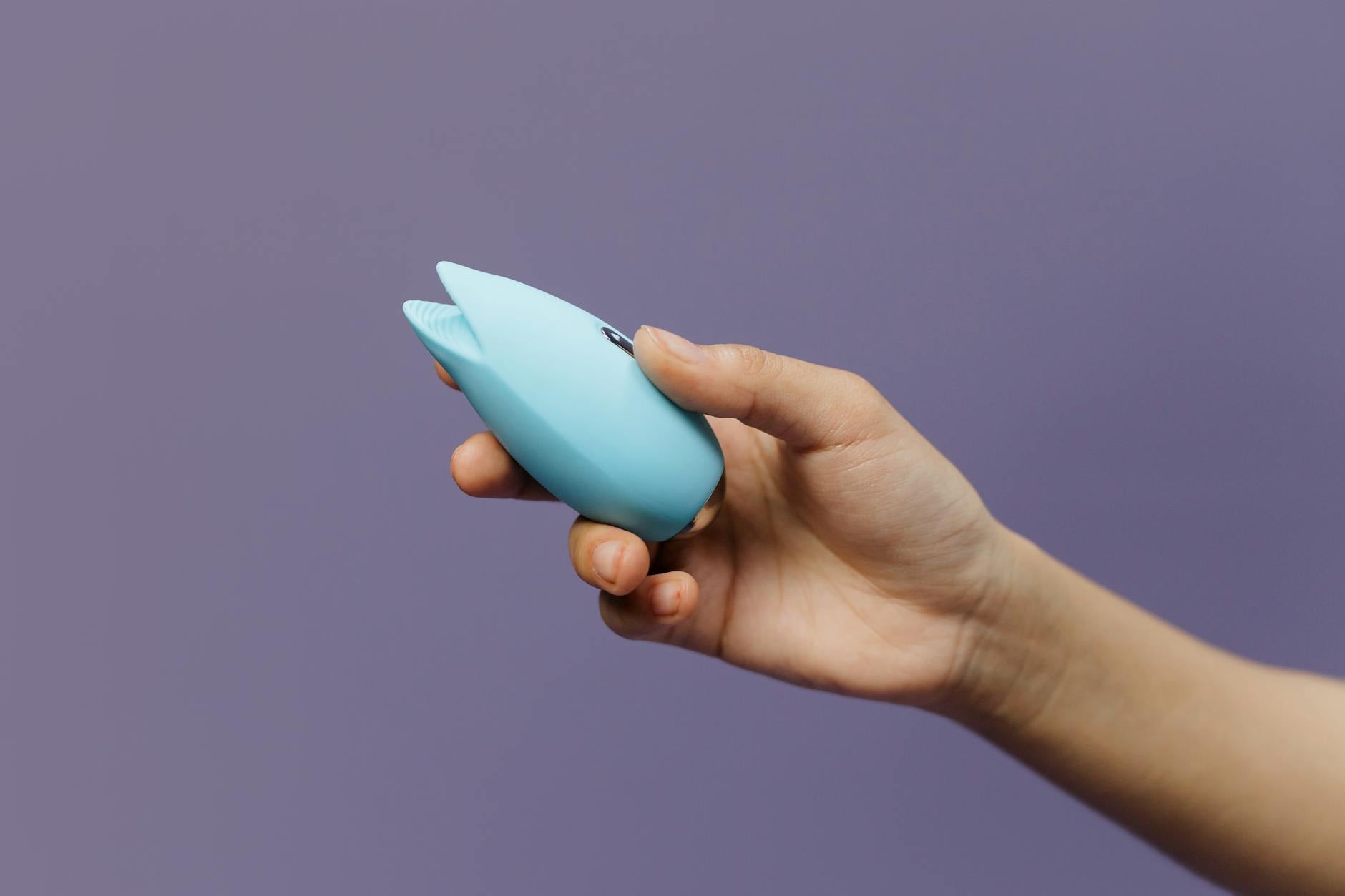
Let's talk about touch that hurts
Touch aversion is real. It's not a phase, not something to push through, and definitely not a reflection of how much you care about your partner. For some people, the sensation of being touched feels overwhelming, painful, or just deeply wrong. That can happen after trauma, during grief, with certain diagnoses like autism or ADHD, after medical procedures, or for no reason that makes logical sense.
The tricky part is that pleasure usually requires touch. So if touch feels intolerable, the path to pleasure seems to vanish. Except it doesn't. Lemon clitoral vibrators, and especially suction-based stimulation, work differently than direct touch. They create sensation without pressure, which is a crucial distinction for hypersensitive bodies.
Why direct touch feels different (and sometimes unbearable)
Your nervous system reads input in layers. Direct touch sends multiple signals at once: pressure, texture, temperature, movement, emotional context. For hypersensitive people or those with sensory processing differences, this flood of simultaneous input overwhelms the system. The brain can't filter what's pleasurable from what feels threatening.
Suction stimulation works in isolation. It creates a pulling, rhythmic sensation that bypasses the pressure-based pathways that trigger aversion. Think of it like the difference between someone grabbing your arm (pressure, multiple nerve endings firing) and someone creating a gentle vacuum around that same area (specific, intense, but singular sensation).
This is why many people with autism spectrum differences, PTSD, or generalized touch aversion report that lemon vibrators feel accessible when fingering or partner touch does not.
The specific advantages of lemon suction for hypersensitive bodies
There are three reasons lemon clitoral vibrators work particularly well when you're touch averse.
1. Suction is a contained sensation. You're not managing multiple textures, temperatures, or unpredictable movements. The sensation is focused, repetitive, and entirely within your control. You can pause it instantly.
2. No pressure requirement. Traditional vibrators rely on friction and vibration against skin. That requires close contact, consistent pressure, and the body accepting the vibration as pleasurable rather than aggravating. Suction doesn't demand pressure. You can hold it lightly, at a distance, and still feel the effect.
3. It bypasses the texture problem. Skin-on-skin touch brings texture. Silicone brings texture. The suction cup creates a gentler interface that many hypersensitive people find less triggering than direct vibration.
Starting with the lowest intensity setting
If you're new to lemon vibrators and touch averse, pattern one is your friend. This is the gentlest suction rhythm available, and it's where you stay until your nervous system relaxes around the sensation.
Many people skip this step because they assume they need to build intensity quickly. But hypersensitive nervous systems do the opposite. Slow, repetitive exposure to a contained sensation actually helps desensitize the threat response.
Budget at least one full week at pattern one before moving to pattern two. Some people stay there for months. That's not slow progress. That's honoring your nervous system.
During this phase, keep your body still. No partner contact, no multitasking, no external pressure. Just you, the lemon vibrator, and permission to stop if the sensation shifts from pleasurable to agitating.
Positioning for safety and comfort
Hypersensitive people often need more control over their environment. Here are the logistics that help.
Sit or recline in a position where you can see what's happening. Visual predictability matters. Some people find lying down triggers more of a vulnerable response, while sitting up feels protective. Trust that instinct.
Keep your hands free to stop immediately. Hold the Hello Nancy device yourself. Don't hand that control to a partner, even one you trust completely. The ability to stop within a second is what makes this feel safe to your nervous system.
Wear clothes or leave them on partially. Many hypersensitive people find that full nudity during stimulation adds a layer of vulnerability that's incompatible with pleasure. That's fine. You can fully clothe yourself and still use the device.
Set a timer for five to ten minutes maximum in the beginning. Hypersensitive nervous systems fatigue faster. Once your system realizes the sensation is safe, that duration can expand. But early on, short sessions prevent overwhelm.
When to involve a partner (and how)
Partners of hypersensitive people often want to help, which can backfire if it adds pressure or obligation. Here's what actually helps.
Start solo. Get comfortable with the sensation, the patterns, and your body's response without the added variable of someone watching or participating. This takes pressure off both of you.
When you're ready to involve a partner, their role is to sit nearby and do nothing. Literally. No touching, no coaching, no physical involvement. Their job is presence and reassurance. For many hypersensitive people, knowing someone is in the room and aware of what's happening actually decreases anxiety.
If your partner wants to participate, boundaries are non-negotiable. They can hold your hand (if you want hand-holding). They can talk softly (if you want words). They cannot surprise you, interrupt you, or make suggestions about speed or intensity. You maintain complete autonomy over the experience.
Some couples find that using a lemon vibrator together, with you controlling the device and your partner simply present, becomes a way to rebuild physical intimacy without the pressure of conventional touch. It's a gateway back to connection.
Managing flare-ups and setbacks
Here's the hard truth: some days the sensation will feel intolerable even though it felt fine yesterday. That's not regression. That's how hypersensitive nervous systems work. Stress, hormonal shifts, sleep deprivation, or unrelated trauma responses can suddenly make the same sensation feel threatening.
When this happens, stop. No guilt, no forcing through. Set the device aside and return to it another day.
If flare-ups happen consistently, consider tracking what precedes them. Fatigue? Stress? Time of month? Certain types of external pressure elsewhere in your body? Patterns emerge. Once you see them, you can plan around them instead of feeling blindsided.
It's also worth noting that touch aversion sometimes benefits from nervous system regulation outside of pleasure. Breathwork, grounding exercises, cold water on the face, or weighted blankets can all help recalibrate your system before you attempt any form of stimulation. Lowering your baseline stress means you have more capacity for new sensations.
The difference between "not ready" and "this tool isn't right"
Lemon clitoral vibrators work beautifully for most hypersensitive bodies. But sometimes they don't. Some people find that even suction feels too intense, or that the physical positioning required feels compromising to their sense of safety.
If that's you, that's information, not failure. You might need to explore other avenues: a therapist trained in somatic work, pelvic floor physical therapy (sometimes tension is what reads as aversion), or different modalities altogether.
But for many people with touch aversion, lemon vibrators become a tool that makes pleasure possible again. That shift from "touch feels dangerous" to "this sensation is mine, controlled, and safe" is profound.
People also ask
Can touch aversion go away on its own?
Sometimes. Touch aversion that stems from stress or grief often improves as life circumstances change. Aversion rooted in trauma, sensory processing differences, or medical conditions usually requires active support. Therapy, somatic work, nervous system regulation, and time all play roles. Having tools like lemon vibrators that create pleasure without triggering aversion can itself be healing, because it proves to your body that sensation and safety can coexist.
Is suction stimulation less intense than vibration for hypersensitive people?
Not less intense, but different. Suction creates a singular, focused sensation. Vibration creates multiple micro-sensations. For hypersensitive nervous systems, singular sensations often feel more manageable because they're less chaotic to process. Some people find suction more intense in the moment but less overwhelming overall because it's less neurologically "noisy."
How long before you feel comfortable with a lemon vibrator if you're touch averse?
This varies wildly. Some people feel comfortable within two weeks. Others need several months. The timeline depends on the root of your aversion, your nervous system's baseline stress level, and how consistently you practice. Consistency matters more than speed. Using the lemon vibrator weekly is better than daily if daily creates overwhelm.
Can you use a lemon clitoral vibrator through clothing if you're hypersensitive?
Absolutely. Some hypersensitive people find that direct skin contact is triggering, while suction through thin clothing feels safer. That layer of fabric can provide just enough buffer to make the sensation feel less invasive. Experiment with what your body tolerates. There's no "right way" here.
What if the sensation still feels painful even at the lowest setting?
Stop and take a break. Pain is different from discomfort. Discomfort is part of expanding your tolerance. Pain is your nervous system saying this isn't safe right now. Honor that signal. The device may not be the right tool for you at this moment, or you may need additional support (therapy, medical evaluation) before sensual touch feels tolerable. That's okay.
Does touch aversion mean you can't have a healthy sex life?
No. Touch aversion changes the shape of your sex life, but it doesn't eliminate pleasure or intimacy. People with significant touch aversion have deeply satisfying sex lives. They use tools like lemon vibrators, they build communication practices that keep their nervous system regulated, and they find partners who understand that love sometimes means presence without pressure. Your nervous system is not broken. It's working exactly as it was designed to protect you. You just need tools that work with it instead of against it.
The takeaway
Touch aversion is not a barrier to pleasure. It's a signal that your nervous system needs a different approach. Lemon vibrators offer that approach. Suction-based stimulation, controlled entirely by you, at the pace your body can handle, creates a path to pleasure that doesn't require you to override your instincts or ignore your boundaries.
Start low. Stay there. Build slowly. And trust that your nervous system knows what it needs, even if that looks different from how others experience pleasure. Your path is valid. Your pleasure matters. And tools like Hello Nancy's lemon vibrators exist specifically because some bodies need this kind of gentle, controlled stimulation to feel safe enough to feel good.
If you'd like to discuss how to approach pleasure with your specific sensory profile, reach out. That's what we're here for.