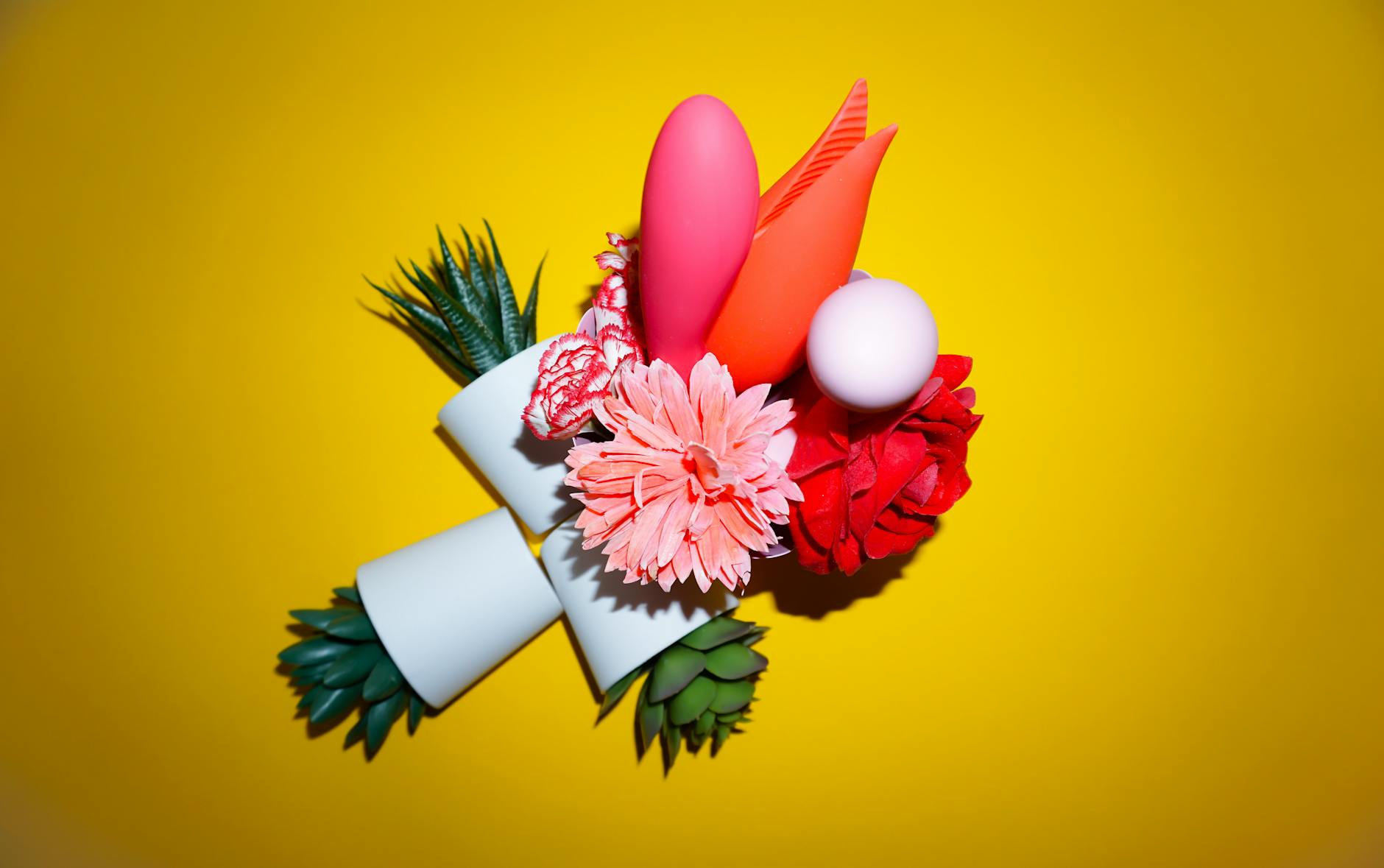
Here's what no one tells you about painful penetration
When penetration hurts, the narrative defaults to one of two stories: either you're broken, or you need to push through. Both are wrong. What actually happens is that your nervous system learns to brace against discomfort, which creates a feedback loop. Pain arrives, muscles tighten, and the anticipation of pain makes the tightness worse next time.
The good news is that this loop doesn't mean you can't have pleasure. It means penetration just isn't the right tool for you right now. And that's not a loss. It's a redirection.
Why lemon clitoral vibrators work when penetration doesn't
The clitoris has 8,000 nerve endings in a space roughly the size of a pea. Penetration doesn't engage most of those nerves. A clitoral vibrator does. This distinction matters because it means you're not settling for a backup plan. You're accessing the primary pleasure center your body actually has.
Lemon vibrators specifically use suction and gentle pulsation rather than thrusting friction. This matters. Suction stimulates nerves without pressure, which means you can explore sensation without triggering the bracing response that painful penetration created. Your nervous system can actually relax because it's not preparing for discomfort.
Many people report that clitoral stimulation, once they divorce it from penetration expectations, becomes their most reliable and intense pleasure response.
The physical setup that works
First, environment. You need privacy, time, and zero performance pressure. If you're with a partner, they should understand that this is exploration, not foreplay with a destination. The goal is sensation, not penetration.
Second, positioning. Lying on your back or reclined is easier than sitting because your pelvic floor is naturally less engaged. If you're sitting, keep your thighs relaxed, not clenched. Tension travels, so pay attention to your jaw, shoulders, and legs.
Third, lubrication. Water-based lube reduces friction and makes the experience more comfortable. It also signals to your brain that this is safe. Apply it generously.
Fourth, the lemon vibrator itself. Start on the lowest setting. The Lem starts at pattern one, which is gentle enough that you're not overwhelmed. Your job isn't to reach climax. Your job is to notice sensation without judgment.
How to actually use it
Begin with the device not touching you. Just hold it. Let your hand adjust to the weight and feel. This sounds simple, but it's part of the process. You're telling your nervous system that this object is safe.
When you're ready, apply the opening directly to your clitoris. Suction vibrators work by creating a seal, so the contact point matters. You're not rubbing or pressing hard. You're creating gentle contact. Let the suction do the work.
Stay on pattern one for at least five minutes. You might feel nothing the first time. You might feel everything. Both are normal. If you feel strong sensation right away, stay there. Don't escalate to patterns two or three because you think you should. Your nervous system is learning that pleasure doesn't require pain.
If it feels uncomfortable or too intense, pull away. This is feedback, not failure. Rest for a minute and try again at a lower intensity or different angle. You're retraining your brain to associate stimulation with safety, not discomfort.
When to involve a partner
If you're in a relationship, the best approach is often solo exploration first. Understand your own body's responses without the pressure of someone else's presence or expectations. Once you know what feels good, you can invite your partner to watch or participate.
If your partner wants to be involved from the start, set clear boundaries. Tell them what you need: silence, hands to themselves, or whatever feels right. Their role is witnessing, not directing. This shifts the dynamic from performance to presence.
Many couples find that introducing lemon clitoral vibrators actually deepens intimacy because it removes the shame around penetration pain. You're not hiding it or pushing through it. You're solving it together.
The psychological piece
Penetration pain often carries emotional weight. Maybe there's trauma, maybe there's anxiety about disappointing a partner, maybe there's years of internalized shame. A vibrator won't fix that alone.
What it does is give your nervous system a chance to experience pleasure without the emotional baggage attached to penetration. That's powerful. Over time, as your body learns that pleasure is possible without pain, the anxiety often softens. Not always, and not overnight. But consistently.
If you're experiencing significant pain, psychological distress, or if you suspect medical factors like endometriosis or pelvic floor dysfunction, a pelvic floor physical therapist or sexual health specialist is worth the investment. A vibrator is a tool, not a treatment. It works best alongside professional support, not instead of it.
What success actually looks like
Success isn't orgasm. Success isn't penetration becoming comfortable overnight. Success is noticing sensation without bracing. It's experiencing pleasure that doesn't come with the anticipation of pain.
For some people, that transforms their relationship with penetration completely. For others, it becomes a permanent part of their pleasure life that has nothing to do with penetration. Both are victories.
The real win is permission. Permission to have pleasure on your body's terms. Permission to say no to penetration and yes to something else. Permission to explore without a timeline or a goal.
People also ask
Can lemon vibrators help if I have vaginismus?
Vaginismus is involuntary muscle tightening, and clitoral stimulation can help because it engages the pleasure system without triggering the reflex. That said, vaginismus typically benefits from a combination of approaches. A pelvic floor physical therapist trained in vaginismus is your best starting point, and a vibrator can be part of that toolkit once you're working with a specialist.
How long before penetration feels okay again?
There's no timeline. Some people notice changes in weeks. Others take months. The key is that you're not pushing toward penetration as the goal. You're letting your nervous system reset at its own pace. The moment you decide that penetration is optional, healing often speeds up.
Will using a vibrator make penetration harder?
No. Your clitoris isn't going to "get used to" vibration in a way that makes penetration feel better. Clitoral and penetrative stimulation engage different parts of your nervous system. You're not trading one for the other. You're just accessing the part that actually works for you.
What if I feel nothing the first few times?
Stay consistent. Your nervous system has been trained to brace against penetration. Retraining takes repetition. Try three to four sessions before deciding if it's working. Also, check your pressure and angle. You might be pressing too hard or holding at the wrong angle. The sweet spot is usually where you naturally feel most sensation.
Is it normal for sensation to feel numb or distant at first?
Yes. Trauma, anxiety, and chronic pain all create numbness as a protective response. Your body literally shuts down feeling to avoid further hurt. A vibrator can help wake that up, but it takes time. If numbness persists after a few weeks of exploration, a pelvic floor PT or therapist trained in trauma can help accelerate the process.
How do I know if this is a temporary fix or a real solution?
If you're noticing that your body relaxes more with each session, that sensation gradually increases, and that you're not bracing in anticipation of pain, it's working. If nothing changes after four to five intentional sessions, bring in professional support. A physical therapist can identify if there's a structural issue like pelvic floor tension or adhesions that need hands-on treatment.
The bigger picture
Penetration pain is real, and it's not your fault. But it also isn't the end of your sexual life. Lemon vibrators, specifically designed for clitoral suction and gentle pulsation, offer a direct path back to sensation without the baggage of pain.
Start slow. Stay consistent. Listen to your body. And remember that pleasure is your birthright, even if it looks different than you expected. Sometimes the most satisfying path forward is the one that bypasses pain entirely.
If you'd like personalized guidance on rebuilding pleasure after pain, or if you're navigating this with a partner, reaching out for support is the next step. Contact Hello Nancy to connect with resources tailored to your situation.