Let's talk about what happens after a decade
You've been together long enough that you know each other's coffee order, their breathing pattern when they're stressed, exactly how they'll react to your jokes. You're comfortable. You're also kind of numb to each other physically, and you're not sure when that happened or how to fix it.
Here's the thing: this isn't a sign your relationship is broken. It's actually the most common place long-term couples find themselves. And it's also the most fixable one, because the disconnection isn't about attraction or love. It's about routine.
Why years together flatten desire
When you first got together, everything was novel. Your partner's touch felt electric because your brain was literally flooding with dopamine and norepinephrine. New stimulus, new reward. But here's the part no one explains clearly: your nervous system adapts. The same touch that made your heart race becomes the background of daily life. You're not losing attraction. Your body is just efficiently filing that stimulus under "known thing."
Add in life compression. Kids, jobs, aging parents, financial stress, the weight of shared history. Physical intimacy goes from being something you carved time for to being something you're supposed to want but can't quite access anymore. You reach for each other and it feels obligatory. Or you don't reach at all.
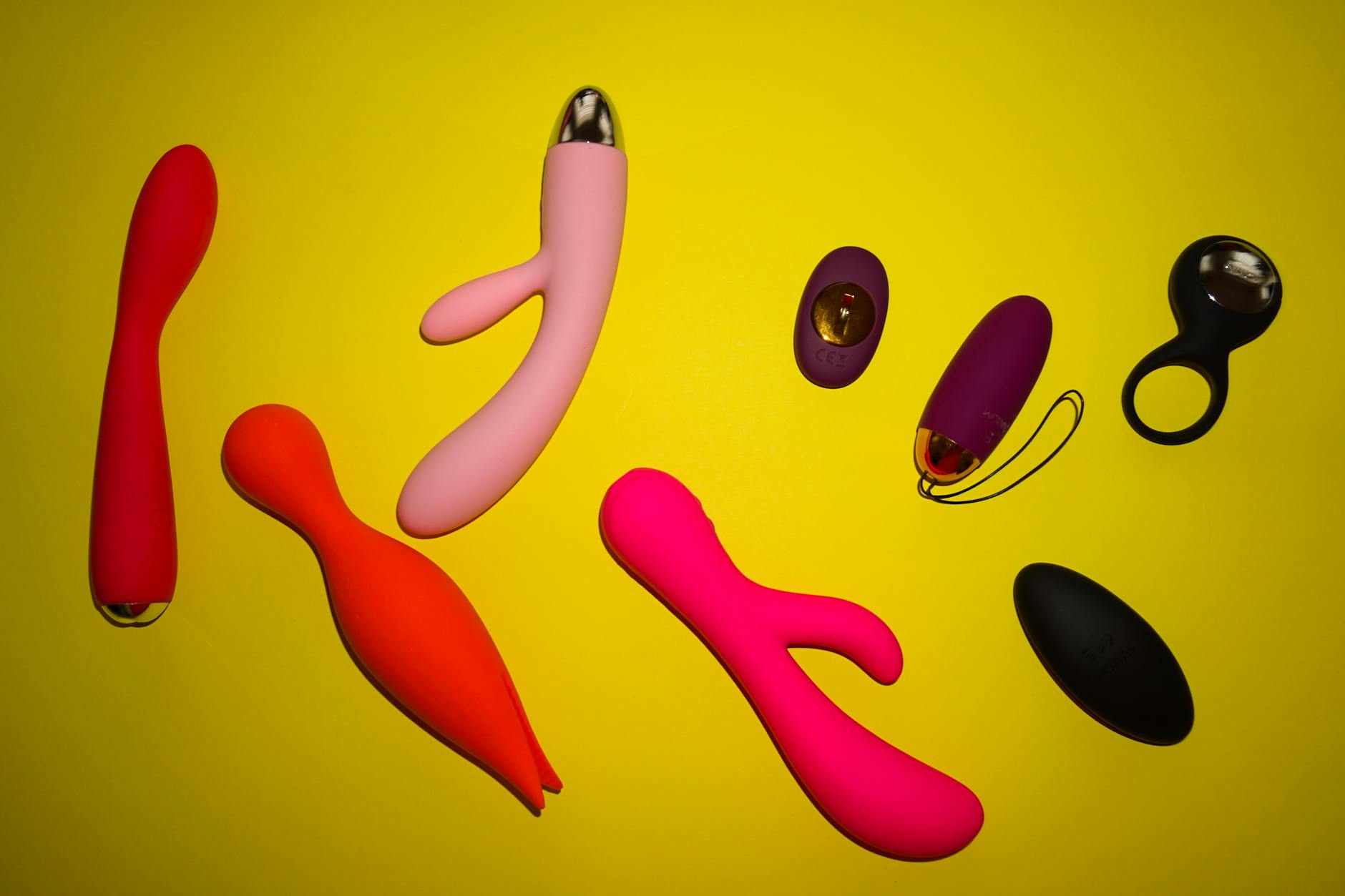
The good news: this is reversible. And introducing something like a lemon clitoral vibrator into that dynamic isn't cheating on your relationship or admitting defeat. It's literally just introducing novelty back into the equation in a way that works.
Why novelty matters more than you think
Research on long-term couples shows that the strongest predictor of sustained desire isn't how you look or how much time you spend together. It's novelty and a sense of unpredictability in the intimate space. That doesn't mean you need to upend your life. It means your nervous system needs something it hasn't felt before.
A lemon vibrator does exactly that. If you haven't used one before, your clitoris hasn't experienced that specific kind of suction and pressure. Even if you have, the context of using it with your partner, or in a new way, or at a different time of day, resets that adaptation loop. You're not just having the same sex you've been having. You're having sex that includes something your body isn't yet used to.
That shift alone often opens the door to deeper connection. You're paying attention again. Your partner's watching you experience pleasure they haven't seen before. You're vulnerable in a slightly new way.
The conversation before you introduce a toy
This is where most couples stumble. You bring home a vibrator or suggest one and your partner hears: "Sex with you isn't enough anymore." That's not what's happening, but nervous systems don't care about your intentions.
Frame it differently. The honest version goes something like: "I miss how physical we used to be. I think part of what killed it was just routine. I was thinking we could try something new together because I want to feel that spark again." You're not saying the toy is replacing them. You're saying you want to experience intimacy differently, together, and this is a tool that might help.
If they're resistant, don't push. Resistance usually means they're scared. Scared you're not into them. Scared they won't perform well. Scared that wanting toys means something's wrong. Let them say that. Don't fix it. Just listen until they feel heard. Then you can talk about what you actually want, which is probably just to feel connected again.
How to actually use a lemon vibrator when you've drifted
Start with pleasure, not performance. This is critical.
Set a time when you're not exhausted. This probably means a weekend morning, not 11 p.m. after you've both been working all day. Your nervous system can't access arousal when it's running on fumes.
Show your partner what you like. If you're using a lemon clitoral vibrator for the first time, let them see how you touch yourself with it. Not in a performative way. In a "here's what feels good to me" way. Start on a low pattern. Most people jump to high intensity and then wonder why it hurts or feels numb. The suction on a lemon vibrator is what creates sensation, not speed. Patterns 1-3 are often the sweet spot for discovering what you like.
Let your partner touch you while you're using it. Or use it on them. The point isn't to achieve an orgasm on a timeline. The point is to remember that your bodies can surprise each other. That attention to pleasure isn't selfish. That being vulnerable about what you want doesn't mean the relationship is failing.
The emotional shift that has to happen first
Here's what I see with couples who successfully rebuild intimacy after years of disconnection: they stop waiting for the other person to initiate the fix. One person says, "I miss this." The other person says, "Me too." And then they actually do something about it instead of just feeling sad about it.
Using a toy together is sometimes the fastest way back to that place because it's concrete. It's not abstract "we should have more sex" conversations that go nowhere. It's "here's a thing we're going to try." It gives you both something to do that isn't pressured or performance-based.
The secondary shift is this: you have to agree that rebuilding intimacy is a project you're both committed to. Not a chore. Not something you're doing because you feel guilty. An actual choice to re-prioritize each other's pleasure and physical connection.
When to try this and when to wait
If you're in active conflict about other things in the relationship, a vibrator won't fix that. Physical disconnection is sometimes a symptom of emotional disconnection, not the cause of it. If you need to talk to a couples therapist first, do that. If you need to solve some practical problems before you have the space to be intimate again, handle that first.
But if you're fundamentally solid as a couple and you've just lost the physical thread, trying a lemon vibrator together is genuinely one of the fastest routes back. It reintroduces novelty. It gives you permission to prioritize pleasure. It opens conversations you might not have had otherwise.
A note on solo exploration first
If the idea of using a toy together feels too vulnerable right now, that's okay. You can start alone. Spend time with a lemon vibrator on your own. Get comfortable with what feels good. Learn what patterns work for your body. When you've had some solo time with it, bringing it into partnered sex often feels less fraught. You already know it works for you. You're just inviting your partner in.
FAQ: Rebuilding intimacy with toys
Will using a vibrator make my partner feel inadequate?
Not if you frame it as expansion, not replacement. The best conversations happen when you say something like: "I want to explore this with you because I trust you" rather than "I need this instead of you." Your partner's insecurity is separate from your pleasure. You can care about both without sacrificing either.
How do I know if we're drifted too far to come back?
If you still like each other, want to be in the relationship, and are both willing to try something, you're not too far gone. Years of disconnection is actually pretty fixable. What doesn't fix is when one person has decided they don't want to try anymore. As long as you're both willing, you can rebuild.
Should I surprise my partner with a toy or talk about it first?
Talk first. Always. A surprise vibrator feels like pressure to perform, not an invitation to explore. The conversation is part of the intimacy rebuild. It's you saying: "I want this with you." That matters more than the toy itself.
What if my partner wants to use toys but I feel weird about it?
Feeling weird is normal. It usually means you're in unfamiliar territory, not that you're doing something wrong. Sit with the feeling instead of dismissing it. What specifically feels weird? Is it vulnerability? Is it feeling like something's missing in the relationship? Name the actual fear, not just "I'm weird about toys." Once you know what you're actually afraid of, you can address it.
Can a lemon vibrator help if the problem is we have different libidos?
Partially. A vibrator can help synchronize desire in the moment by introducing novelty and lowering the pressure to perform. But if one person wants sex multiple times a week and the other wants it monthly, that's a different conversation. You need to talk about what's driving the mismatch (stress, health, genuine desire difference, resentment?) before a toy can help. Sometimes toys help that conversation happen. But they're not a substitute for actually talking.
How often should we be using toys if we're rebuilding intimacy?
There's no right answer. Some couples introduce toys and use them every time for a while because the novelty helps. Some use them occasionally. The point is that you're both interested and you're paying attention to each other again. That's the goal, not a specific frequency.
The actual work is the conversation
Let me be clear about what a lemon clitoral vibrator actually does: it introduces novelty. It creates a reason to pay attention. It makes vulnerability feel less abstract.
What it doesn't do is fix resentment, address emotional wounds, or make someone care about the relationship if they've checked out. If you're using a toy as a band-aid over a bigger problem, it'll feel hollow.
But if you're a couple who loves each other, who's just lost the thread physically, who's ready to rebuild? A vibrator is a brilliant tool. It's concrete. It's not another conversation about feelings. It's an action. And sometimes action is exactly what brings you back to each other.
The spark after years together looks different than the spark at the beginning. It's quieter, steadier, more intentional. But it's real. And it's worth the work to find it again.