Let's talk about what sexual aversion actually is
Sexual aversion is not the same as low libido. It's not "I'm not in the mood." It's a deep, involuntary recoil from sexual touch or the thought of sexual activity. Your nervous system is literally saying no. And here's what most people don't understand: that's not a character flaw. That's your body sending a signal that something needs to change.
I've worked with hundreds of people who describe it the same way. The moment a partner touches them, their skin crawls. They avoid situations where sex might happen. They feel guilty, broken, or resentful. Many have convinced themselves they're just not a sexual person anymore. Then they try a different approach, and everything shifts.
What triggers sexual aversion (it's rarely what you think)
The real causes are often invisible. Yes, past trauma creates aversion. Yes, relationship conflict does too. But so does chronic stress, perfectionism about how sex "should" feel, partner pressure disguised as desire, hormonal shifts, and sometimes just the accumulation of a thousand small moments of feeling unsafe, unseen, or controlled in the bedroom.
One of the most common triggers I see? Performance pressure. When sex becomes something you feel obligated to provide or achieve, your nervous system stops perceiving it as safe. Your body learns to defend itself.
Another: loss of agency. If sex has been negotiated around someone else's timeline or needs, even in a loving relationship, your system may develop aversion as a way of reclaiming control.
Why solo exploration changes everything
When you're alone, the pressure disappears. There's no performance. No one's needs but yours. No timeline but your own. This is crucial because sexual aversion often stems from a loss of agency, and solo pleasure is the most direct path to getting it back.
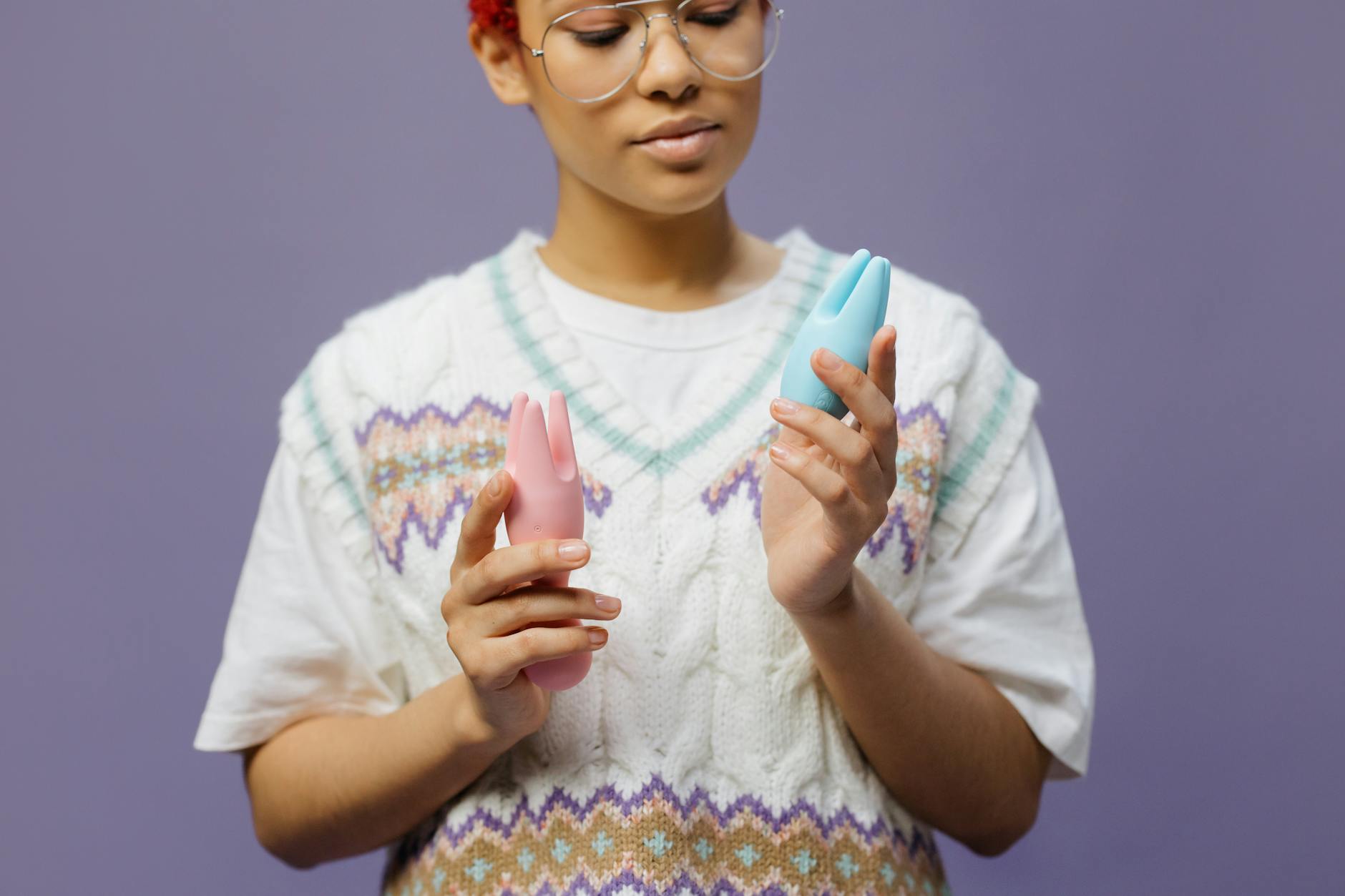
Lemon clitoral vibrators are particularly helpful here because they reframe sensation. You're not working up to partnered sex. You're not proving anything. You're just exploring what feels good in the safest possible context. That shift matters physiologically. Your vagus nerve (the main component of your parasympathetic nervous system) can finally relax.
The specific role of lemon vibrators in rebuilding desire
Lemon sexual toys like the lem vibrator use suction stimulation, not just vibration. This is important because many people with sexual aversion have developed a sensitivity or defensiveness around direct clitoral contact. Suction feels gentler, more diffuse. It stimulates the nerves without aggressive friction.
When you're rebuilding desire after aversion, gentleness matters. A lemon clitoral vibrator lets you start at the lowest setting (usually 1 or 2) and gradually explore without overwhelming your nervous system. You control the intensity, the duration, the moment you stop. That autonomy is healing.
Here's something else: many people find that when they finally experience pleasure through a lemon vibrator, they realize they'd never actually given themselves permission to seek pleasure before. The aversion wasn't about the capacity for pleasure. It was about the permission.
How to start if you have sexual aversion
First, separate solo exploration from any pressure to "fix" yourself for a partner. This is for you. Full stop.
Start small. Five to ten minutes. No goal of orgasm. The goal is sensation. Notice what feels good. What doesn't. What makes your nervous system relax versus tense up.
Begin with your lemon vibrator on the lowest setting. You can even use it over clothing at first if direct contact feels too vulnerable. That's not failure. That's information about where you are right now.
The rhythm matters too. Some people need slow, sustained stimulation. Others need patterns that change every few seconds so their nervous system doesn't brace. You'll figure out your rhythm through experimentation. That's the whole point.
If you do feel that recoil, the aversion response, notice it without judgment. Don't push through. Your nervous system is telling you something. Maybe you need a different setting. Maybe you need to stop for today. Maybe you need to address something else in your life or relationship first. All of these are valid.
The mental piece (it's huge)
Rebuild desire and you're not just working with your body. You're working with your beliefs about your body, sex, pleasure, and what you deserve.
If you've carried shame about sexual aversion, solo exploration with a tool like a lemon vibrator can feel quietly revolutionary. You're not asking permission. You're not explaining. You're just claiming your own pleasure.
Many people find that after a few weeks of gentle solo practice, the aversion to partnered sex softens. Not because they've "fixed" themselves, but because their nervous system has learned that pleasure can be safe. That sex doesn't have to be what it was before.
When aversion is pointing to something bigger
Sometimes sexual aversion is telling you that a relationship dynamic isn't working. That you need different boundaries. That you need to address something with a partner before sex can feel safe again.
Solo exploration gives you clarity. When you spend time with yourself, you often find that the aversion has less to do with sex and more to do with power, respect, or connection. That's not information to ignore. That's information to act on.
If you're in a partnership, consider sharing what you're learning. "When I explore pleasure on my own, I feel safer. I'm rebuilding my relationship with my body." That conversation is often the real turning point, more than any vibrator could be.
The timeline (it's not fast, and that's okay)
Don't expect aversion to disappear in a week or even a month. Sexual aversion developed over time, often years. Rebuilding desire takes time too.
But here's what I consistently see: within a few weeks of regular, pressure-free solo exploration, people report a subtle shift. A softening. A reclaimed sense of their own agency around their body. For many, that's where the real healing starts.
FAQ
What if I use a lemon clitoral vibrator and still feel aversion?
It means you're getting important information. Your nervous system might need more time, or you might be dealing with a deeper layer of aversion tied to relationship dynamics, trauma, or self-worth. Consider working with a therapist alongside solo exploration. The two together often create the conditions for real change.
Can lemon vibrators help if my aversion is tied to past sexual trauma?
Yes, but with care. Trauma-informed sex therapy recommends reclaiming agency and control over your own body, which solo exploration does beautifully. Start with low-intensity settings, be gentle with yourself, and consider working with a trauma-informed therapist in parallel. Your nervous system needs to learn safety in multiple contexts.
Is solo exploration with a lem vibrator cheating on my partner?
No. Rebuilding desire alone isn't about replacing your partner. It's about reconnecting with yourself. If your partner sees it as a threat, that's a separate conversation worth having, ideally with a couples therapist. Healthy partnerships include space for individual pleasure.
How often should I use a lemon vibrator to rebuild desire?
3-4 times per week is a good starting rhythm. The goal isn't frequency, it's consistency and permission. Some weeks you'll use it more. Some weeks less. What matters is that you're creating a pattern of claiming pleasure without external pressure.
Does rebuilding desire with a lemon clitoral vibrator mean I'll be ready for partnered sex faster?
Not necessarily faster, but more authentically. People often report that when they rebuild desire solo first, they feel more present and less defensive with a partner. It's not about moving toward sex. It's about moving toward yourself.
What if I have questions about aversion that go beyond solo use?
Reach out. Sexual aversion is complex, and you deserve real support. Contact Shop Lemon Sexual Toys to discuss your situation, or consider finding a sex-positive therapist who specializes in aversion and desire issues.