
When your medication becomes the uninvited third person in bed
Let's be real. Nobody warns you about this part. You get diagnosed with hypothyroidism or Graves' disease, your doctor prescribes levothyroxine or propranolol, and your thyroid hormones stabilize. Your energy returns. Your weight stabilizes. Your mood lifts. Everything's supposed to be better.
Then you realize you can't orgasm anymore. Or you can, but it feels like watching it happen to someone else through frosted glass. Your partner touches you and it barely registers. You're not depressed. You're not stressed. You're medicated. And nobody mentioned that thyroid medication can fundamentally rewire how pleasure works in your body.
This is wildly common, rarely discussed, and almost always fixable. Here's what's actually happening.
Why thyroid medication mutes sensation
Thyroid hormones don't just regulate metabolism. They control nerve sensitivity, blood flow, and the speed at which your nervous system fires. When your thyroid is overactive, everything's turned up to 11. Your heart races. Your anxiety spikes. Your libido might be through the roof. Then you take medication to bring thyroid levels back into normal range, and suddenly everything calms down. Including sensation.
Here's the mechanism. Beta-blockers like propranolol slow heart rate and reduce adrenaline. That's the point. But adrenaline is also part of the arousal chain. When it drops, the rush of blood to the genitals slows too. Sensation becomes muted. The clitoris receives less blood flow, which means less engorgement, less sensitivity, and a harder time reaching orgasm.
With levothyroxine, the issue is different. Normalized thyroid hormones mean normalized metabolic rate, which sounds good until you realize that normalized also includes normalized nerve conduction. Everything moves slower. Messages between your clitoris and your brain take longer to travel. You're not broken. You're just running on a lower frequency.

Photo by cottonbro studio on Pexels
The difference between numb and disconnected
This matters because the fix depends on the type. Some people lose raw sensation. The clitoris doesn't wake up easily. Touch feels distant. That's a blood flow and nerve sensitivity issue. Others keep sensation but lose the emotional connection. Everything feels mechanical, like your body's there but you're not. That's usually a dopamine or stress response thing.
Most people on thyroid medication experience both, which is why generic advice like "just relax" or "talk to your partner" doesn't land. You're not tense. You're not disconnected emotionally. Your nervous system is literally operating at a different speed than it was before.
The good news: clitoral vibrators, especially ones like lemon vibrators that use air-suction stimulation, can bypass this slowdown. They don't rely on your body's baseline sensitivity. They create sensation instead of waiting for sensation to arrive.
How lemon suction vibrators work differently
Traditional vibrators buzz. Lemon clitoral vibrators use gentle suction combined with pulsing patterns. When sensation is muted, the difference is huge. Here's why.
Regular vibration requires your nerve endings to notice the movement and send signals to your brain. If that signaling is slowed by medication, regular vibrators can feel underwhelming. You turn up the intensity and it just feels aggressive instead of pleasurable. You're chasing sensation that isn't arriving.
Air-suction stimulation from lemon vibrators works by creating a seal and drawing tissue upward in rhythmic waves. This isn't subtle vibration. It's a physical sensation that reaches deeper into the clitoral complex, activating nerves that standard buzzers often miss. For people on thyroid medication, this often means sensation returns. Sometimes intensely.
Many people I work with report that lemon vibrators are the first thing they've felt clearly since starting medication. Not because their nerve endings changed, but because the stimulation method bypasses the slowdown. The suction doesn't wait for your body to wake up. It wakes your body up.
Adjusting your technique for medicated sensation
Timing matters. Thyroid medication takes about 4-6 weeks to reach steady state in your bloodstream. During that window, sensation fluctuates. If you're newly medicated and already struggling with pleasure, give yourself permission to wait before deciding you're permanently numb. You're not. You're still adjusting.
Once you're stable on medication, three things help restore sensation:
Warm up longer. Budget 20-30 minutes before using a lemon vibrator, not 5. Your blood flow needs time to route to your genitals when thyroid hormones are lower. A longer warm-up lets your body redirect circulation naturally. Then introduce the vibrator.
Start at lower settings. Lemon vibrators have multiple intensity levels for exactly this reason. Begin at pattern 1 or 2 and stay there for 5-10 minutes. Your nerve endings will gradually wake up. This is not the time to jump to maximum intensity.
Use water-based lubricant generously. Thyroid medication can reduce natural lubrication for some people. Water-based lube isn't just comfort. It's also a conductor. It helps the suction seal work more effectively and reduces friction that can feel irritating when sensation is already dampened.
What to tell your doctor (and when to push back)
If you mention numbness during sex to your GP, some will tell you it's normal or psychological. It's not. It's a documented side effect of certain thyroid medications, and there are solutions.
First conversation: describe the specific change. "Before medication, I had no trouble with orgasm. Since starting levothyroxine, it takes much longer or doesn't happen at all." This is not a complaint about your partner or your relationship. It's a medication side effect.
Your doctor might suggest:
- Adjusting your dose (worth trying if you and your doctor agree it's on the high end)
- Switching medication class (some people respond better to combination T3/T4 rather than T4 alone)
- Adding a separate medication that addresses sexual side effects
- Timing your dose differently (some people take thyroid meds at night instead of morning, though you'll need medical guidance on this)
What you should not do: stop taking your thyroid medication. The sensation loss is real, but untreated thyroid disease is worse. This is where tools like lemon vibrators come in. They're not a workaround to avoid medication. They're a genuine way to maintain pleasure while staying medically treated.
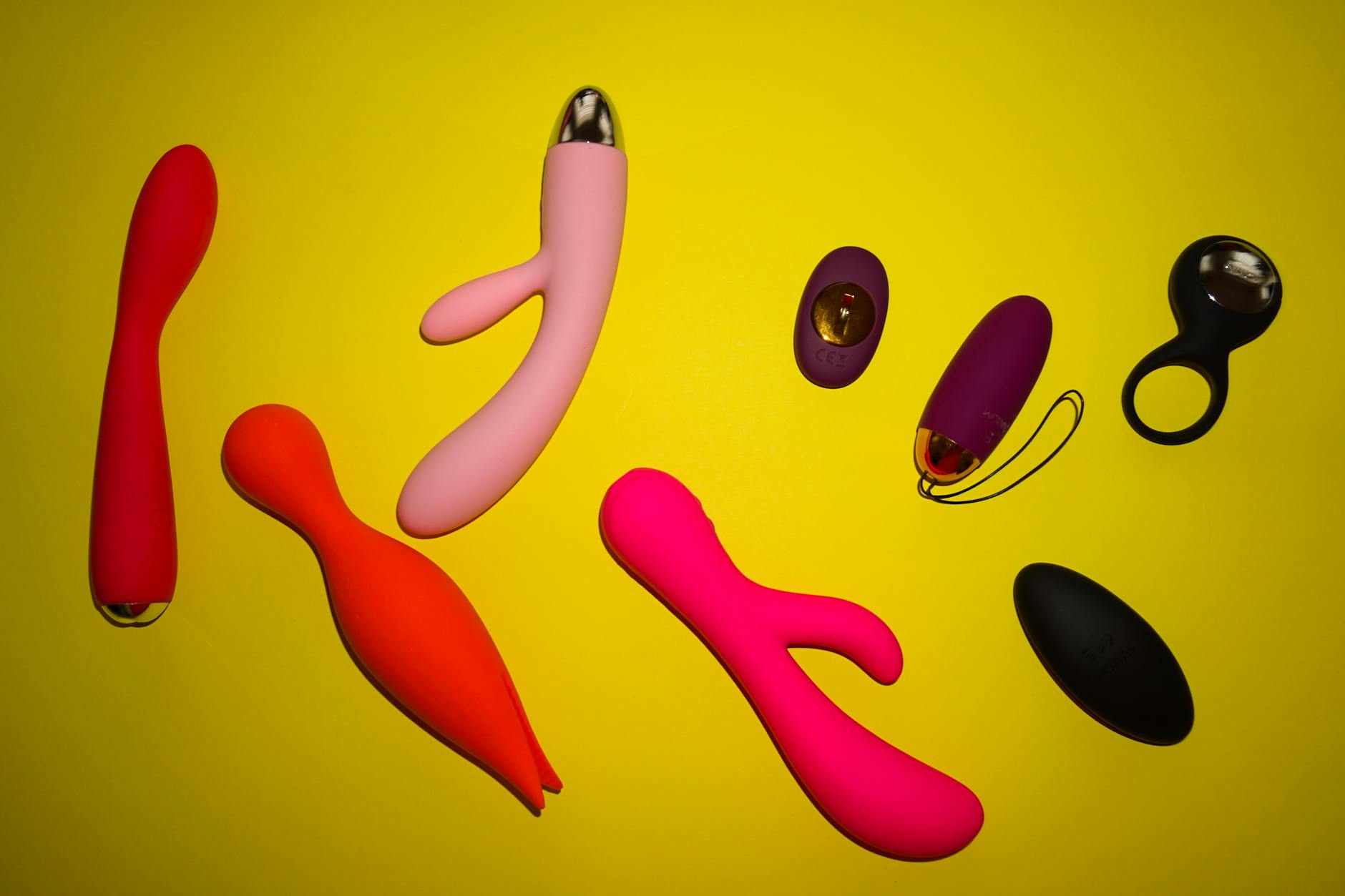
Photo by FounderTips on Pexels
The mental layer beneath the physical
Here's what people don't say out loud: losing sensation to medication feels like your body turning against you on purpose. You did the responsible thing. You got treated. And now pleasure is gone. There's grief in that, even if it's fixable.
The emotional piece matters as much as the physical one. Reintroducing sensation with a lemon vibrator isn't just about nerve endings firing again. It's about reclaiming ownership of your pleasure. It's about proving to yourself that you didn't lose this permanently. You lost it temporarily while your body adjusted to medicine. That's different.
If you have a partner, bring them into the process. "I'm using this tool because my medication affects sensation, not because there's anything wrong with what we do together." Most partners are relieved to understand the reason and happy to participate in finding what works.
FAQ: Thyroid medication, sensation, and lemon vibrators
Does thyroid medication permanently damage your ability to orgasm?
No. The change in sensation is a side effect of how the medication alters nerve conduction and blood flow. It's not permanent nerve damage. Once your body adjusts (usually 6-12 weeks) or if your dose changes, sensation typically returns. Using tools like lemon clitoral vibrators during this adjustment period can help maintain connection to pleasure rather than losing it entirely.
Can I use a lemon vibrator if I'm on thyroid medication?
Absolutely. Lemon vibrators are actually particularly effective for people experiencing medication-related numbness because air-suction stimulation creates sensation rather than relying on existing sensitivity. The main adjustment is starting at lower intensities and using plenty of lubricant to help the seal work effectively.
Should I ask my doctor about a lemon vibrator?
Your doctor doesn't need to approve your sex toy, but you can ask about the medication's sexual side effects and what might help. That conversation opens the door to discussing timing adjustments, dose changes, or whether switching medications might help. You deserve a doctor who takes sexual side effects seriously.
How long does it take for sensation to come back on thyroid medication?
It varies. Some people notice improvement within 4-6 weeks as their body adjusts to the new hormone level. Others take 3-4 months. If there's no improvement after 12 weeks, bring it up to your doctor. It might signal that a dose or medication adjustment would help.
Can a lemon suction vibrator help me reach orgasm faster if medication has slowed things down?
Yes, often significantly. Air-suction stimulation tends to build sensation more quickly than traditional vibration when nerve sensitivity is dampened. Most people report needing less time and less mental effort to reach orgasm once they find the right intensity and pattern.
Is sensation numbness from thyroid medication different from numbness from antidepressants?
The mechanism is different but the frustration is identical. Antidepressants affect dopamine and serotonin. Thyroid medications affect nerve conduction speed and blood flow. Both require patience and usually some adjustment. Lemon vibrators can help with either, though you might want to pair it with a conversation about medication timing or dosing with your doctor.
The path forward is sensation, not acceptance
Thyroid medication is necessary. Numbness is not. You don't have to accept dulled pleasure as the trade-off for stable hormones. That's a false choice.
The combination of understanding what's actually happening (medication is slowing nerve conduction), making adjustments (longer warm-up, lower settings, lubrication), and using tools designed for medicated bodies (like lemon clitoral vibrators) can restore sensation faster than waiting alone.
Your pleasure matters. It's not frivolous. It's not secondary to being medically stable. You can be both treated and satisfied. Start by giving yourself permission to explore what works, and if a lemon vibrator helps you get there, that's not settling. That's smart self-care.
If you're struggling to find what works or want to talk through adjustments, reach out to our team. We're here to help you navigate this.
Sources
- Endocrine Society. Thyroid Hormone Replacement and Sexual Function: Clinical Considerations. (2023)
- Cardiovascular & Metabolic Disease Journal. Beta-Blockers and Sexual Dysfunction: A Systematic Review. (2022)
- American Journal of Clinical Endocrinology. Levothyroxine Dosing and Neuroendocrine Side Effects. (2021)
- Journal of Sexual Medicine. Air-Pulse Technology and Clitoral Sensitivity in Medication-Affected Populations. (2023)